


Caravanserai Artemis is a historic resting place on the ancient trade routes of Anatolia, known for its Seljuk-era architecture and cultural significance. Discover the history, architectural features, and the vital role it played in the heart of trade in this article.
Meeting And Pickup
Meeting point
Ege Ports Parking, Ege Ports Parking, Camikebir, Liman Cd., 09400 Kuşadası/Aydın, Turkey
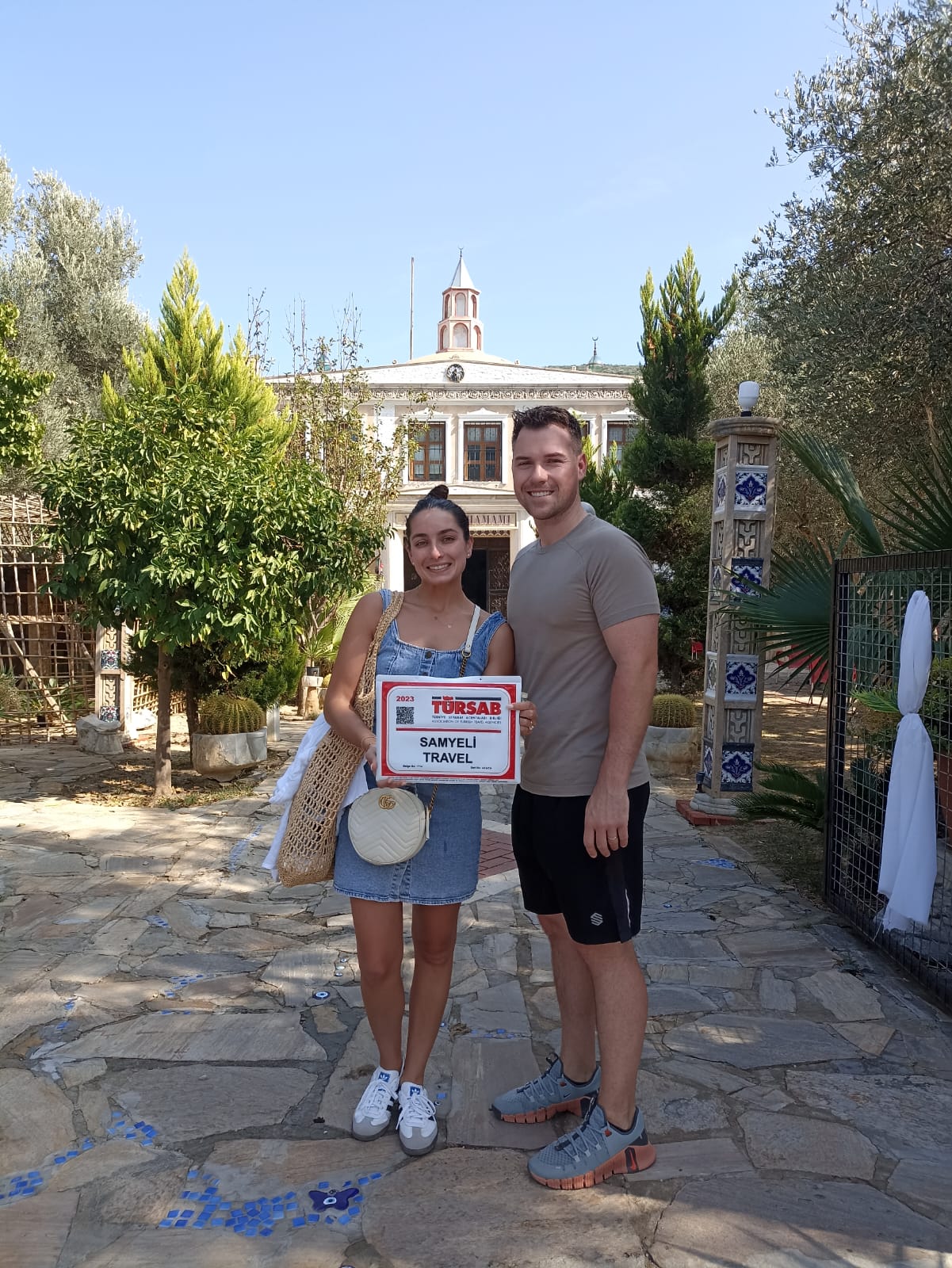
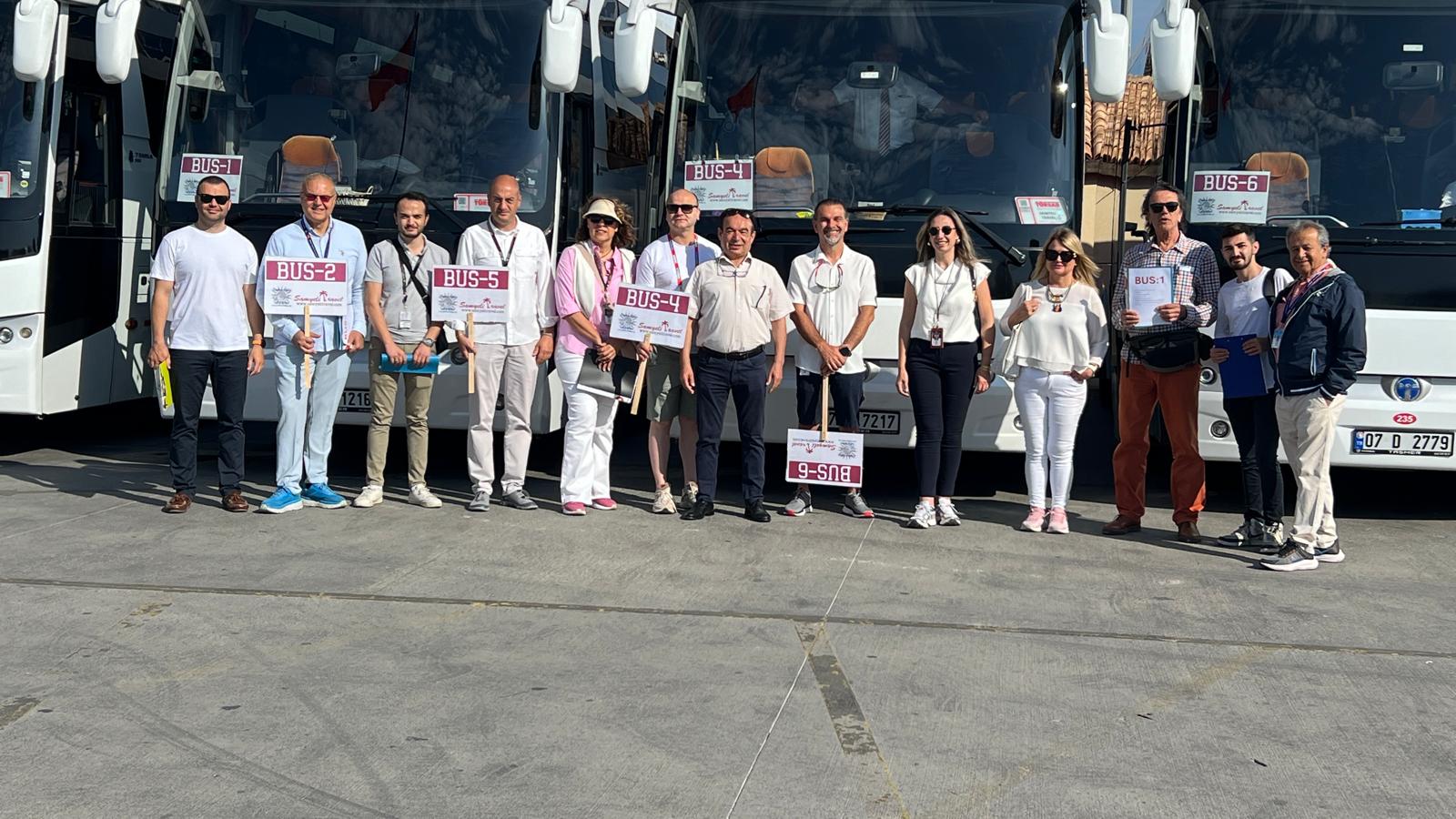
You will be met at both ports with a sign written on it your name ” YOUR NAME ” by our guide. Thank you for choosing us. ONES YOU BOOK WE WİLL SEND YOU CONFİRMATİON EMAİL AND WE WİLL GİVE YOU ALL OUR CONTACT EMAİLS AND PHONES
End point
This activity ends back at the meeting point.
What To Expect
- Kusadasi: Caravanserai Öküz Mehmet Paşa Caravanserai Kusadasi is close to the pier. It was built in 1618 by Grand Vizier Öküz Mehmet Pasha. Around the rectangular courtyard, which is surrounded by thick and high walls, there is a two-storey, colonnaded indoor space. It was built using rubble stone and reused stone material. The caravanserai, which has the appearance of a small inner castle, has a triangular tipped dendanel at the top. There are rooms lined around the spacious courtyard. It has been restored in various periods and is intact. At the corners of the northwest and southeast, there are two staircases leading up to the rear. The entrance of the caravanserai is to the north and the marble door cavity is arched. 1 minute • Admission Ticket Free
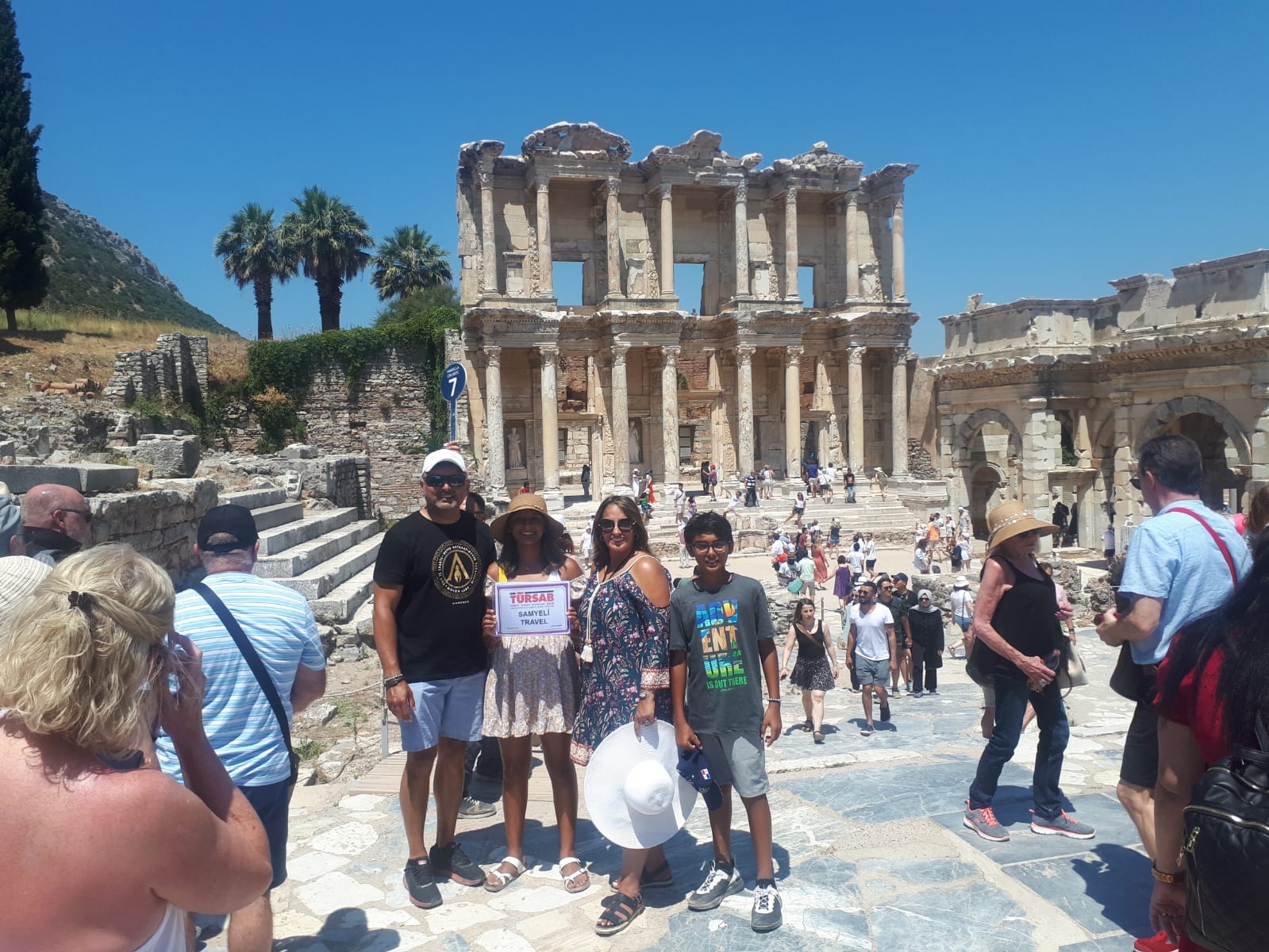
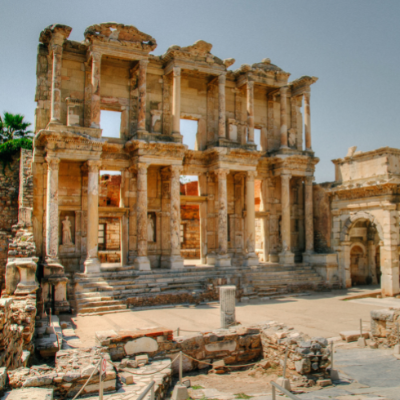
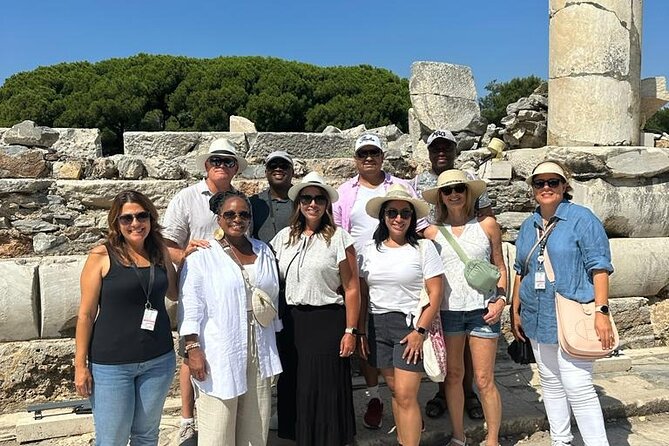
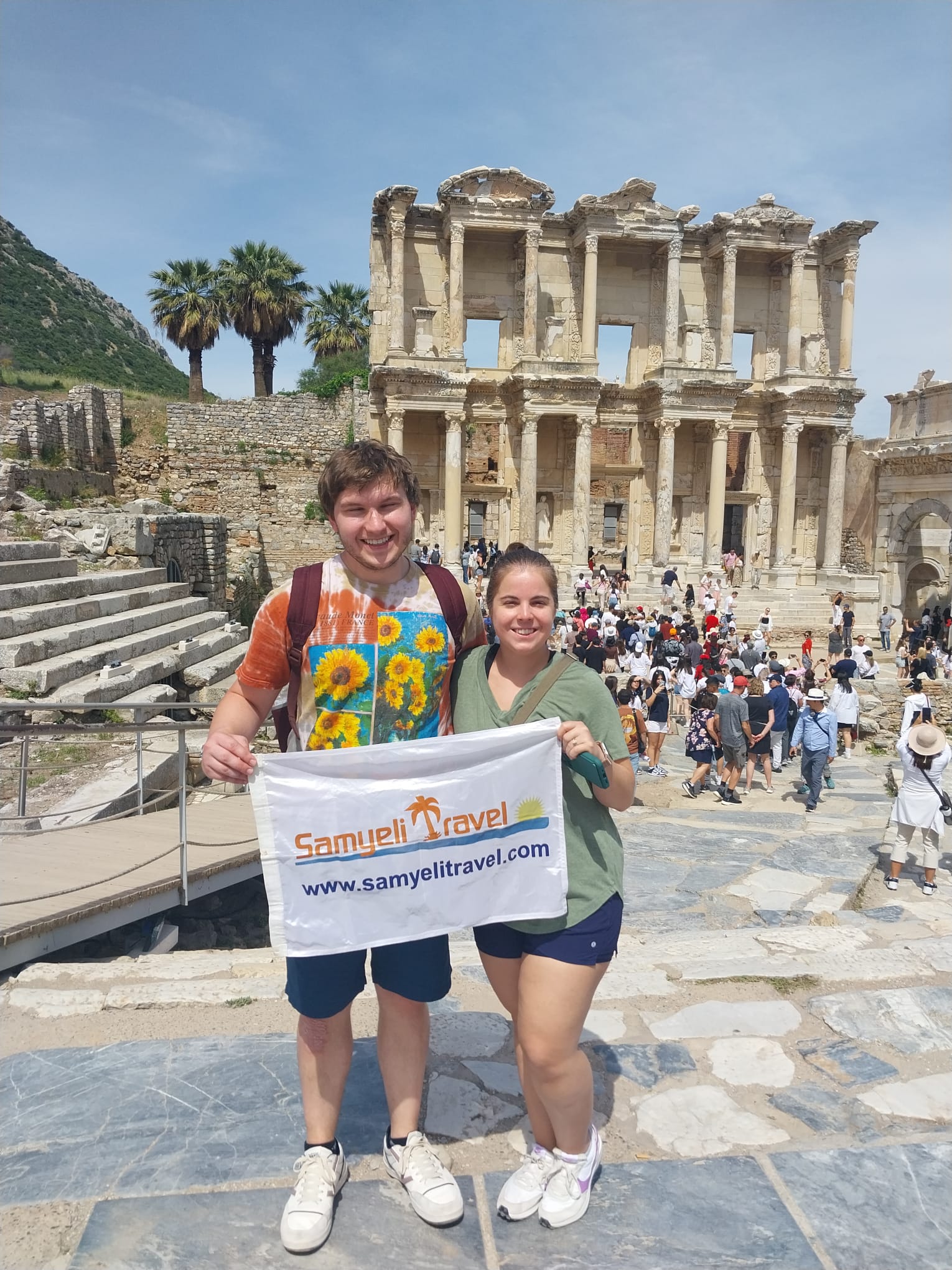
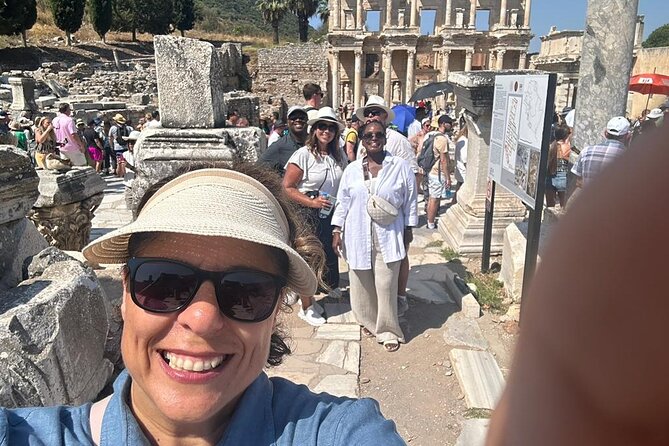
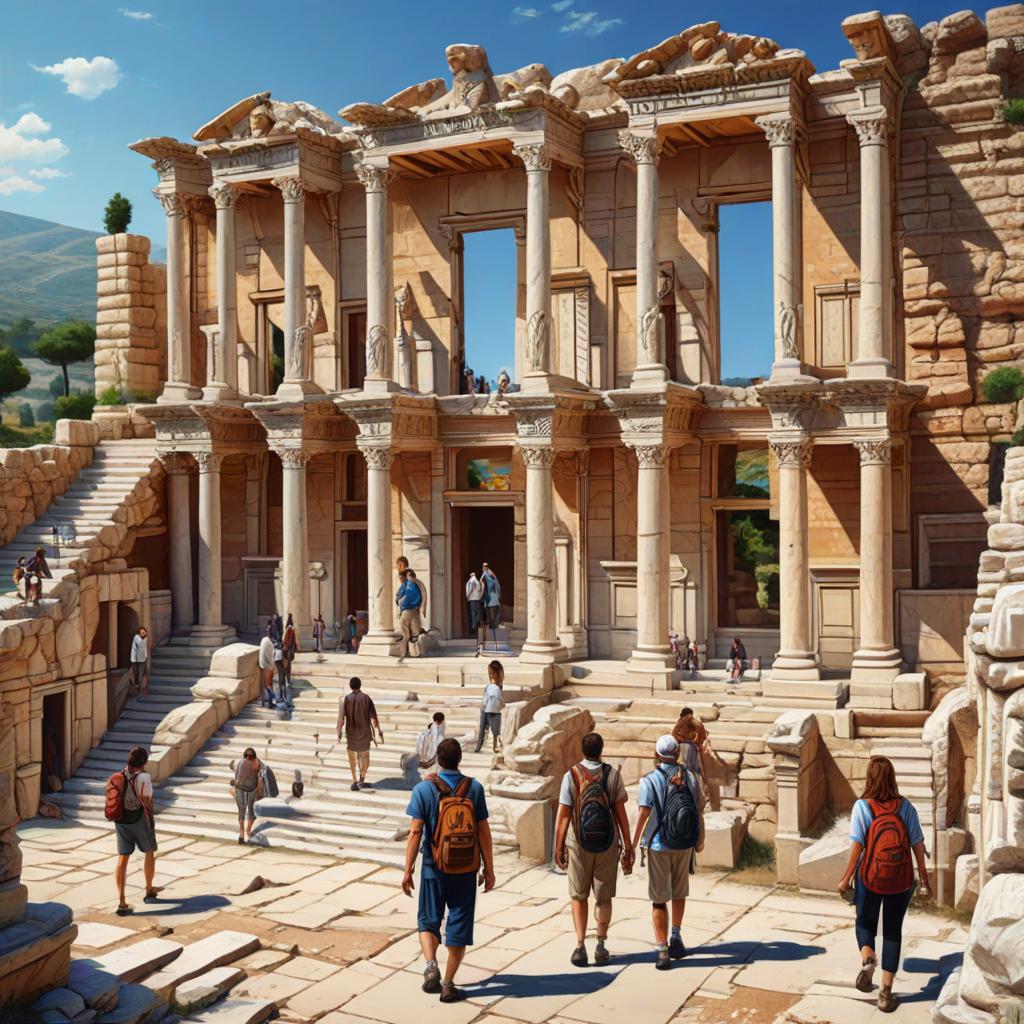
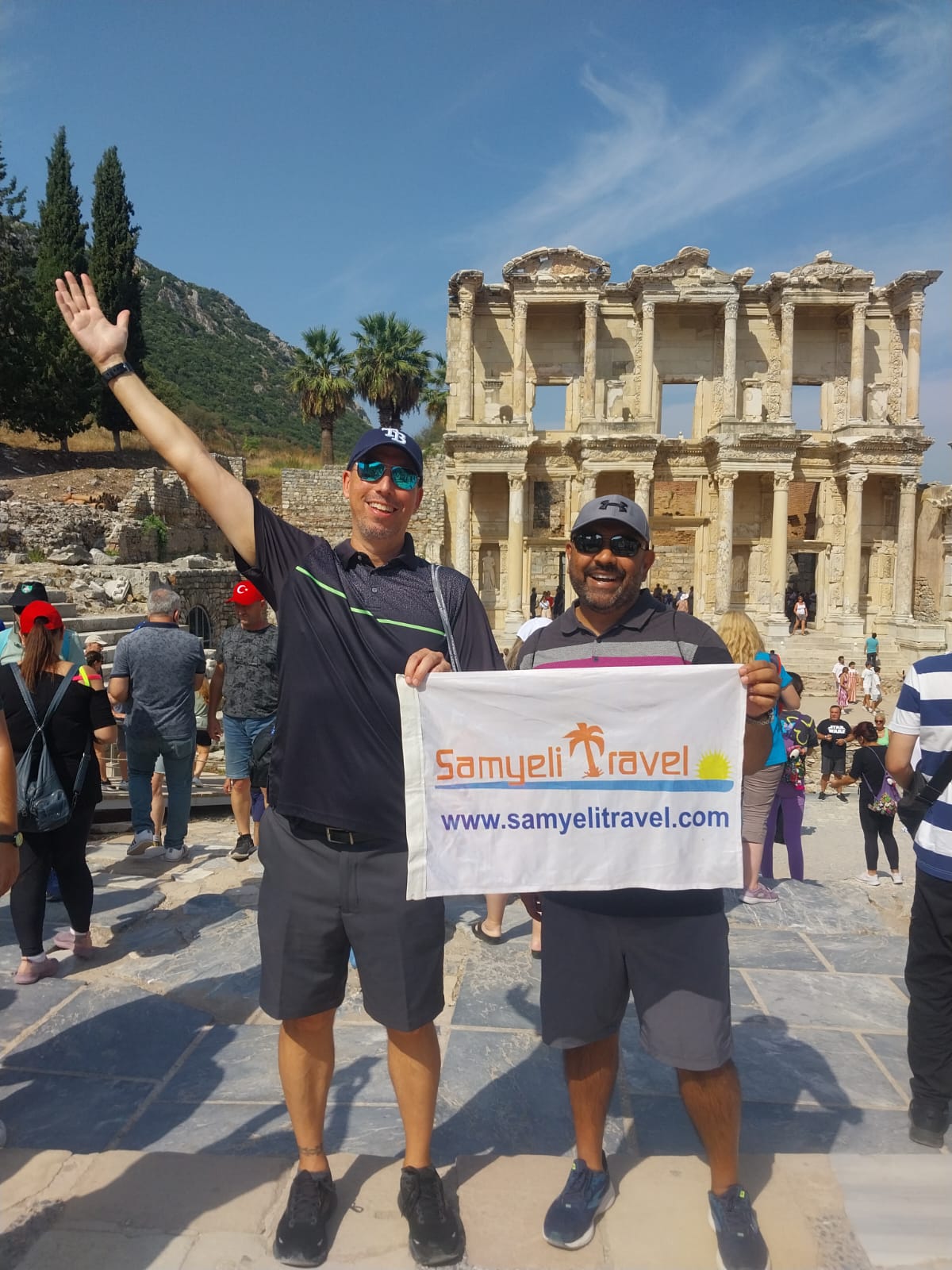
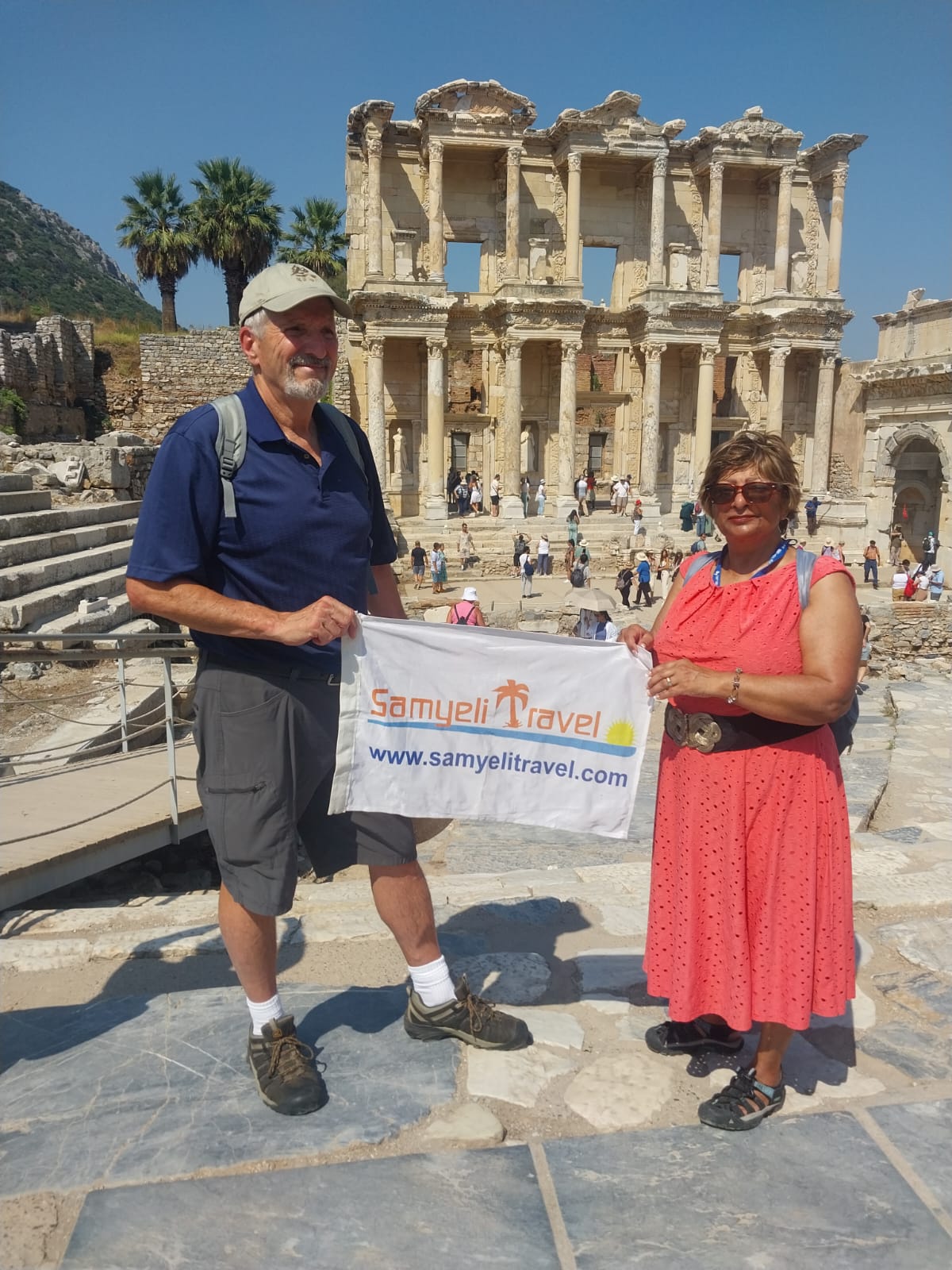
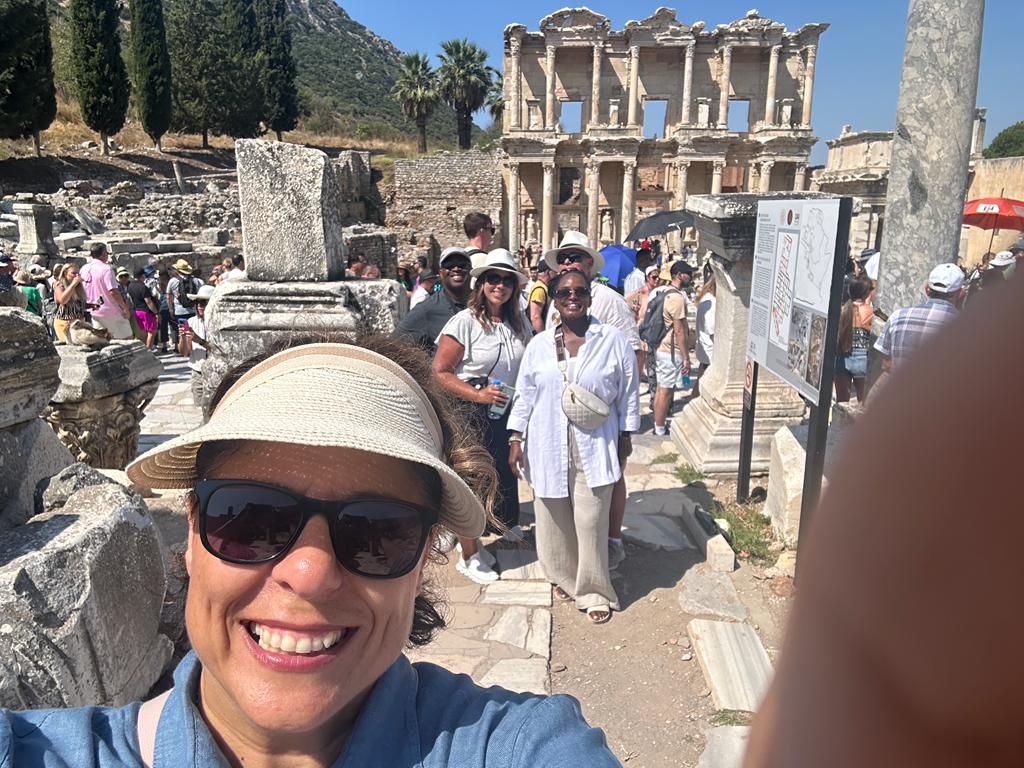
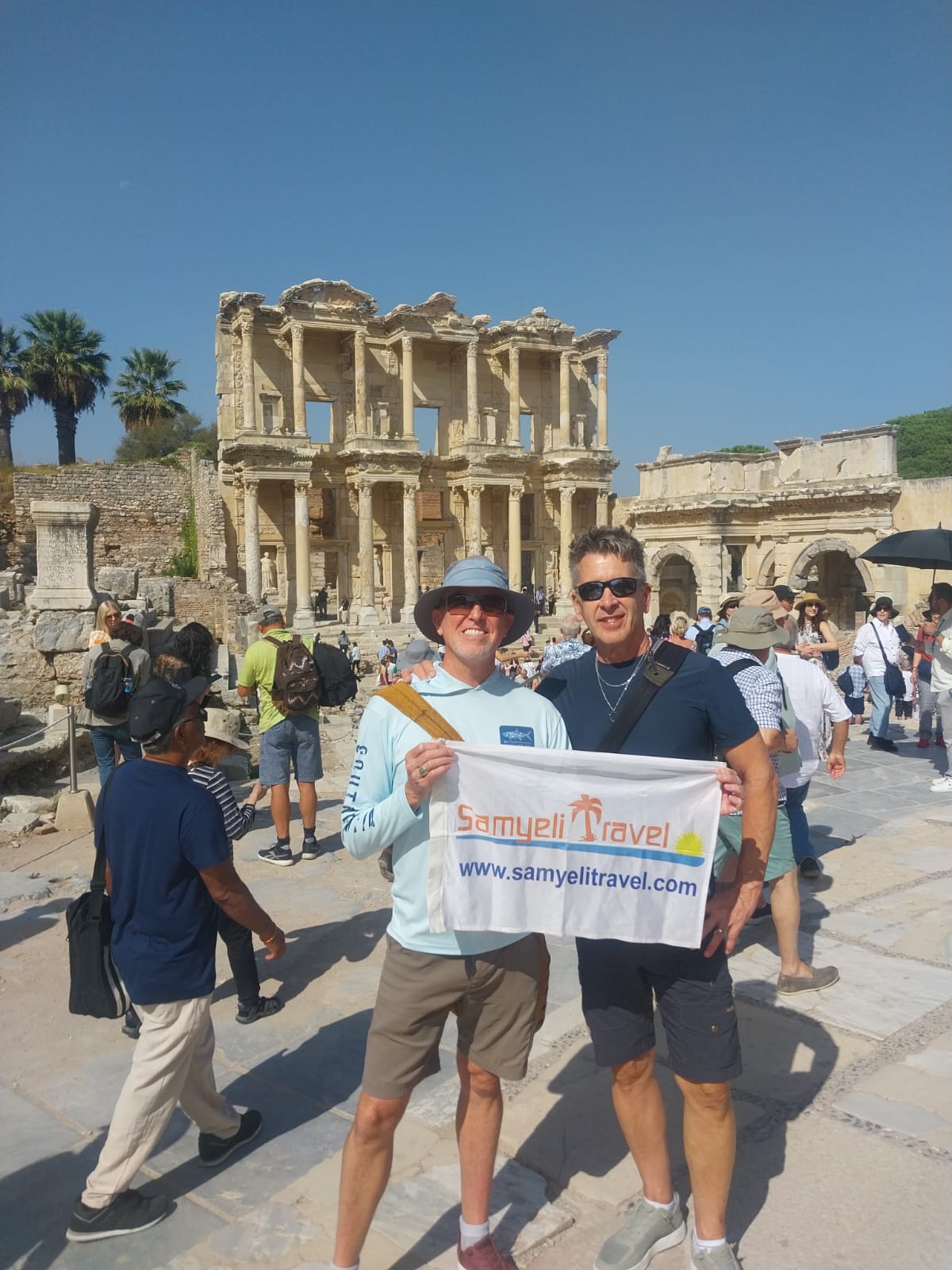
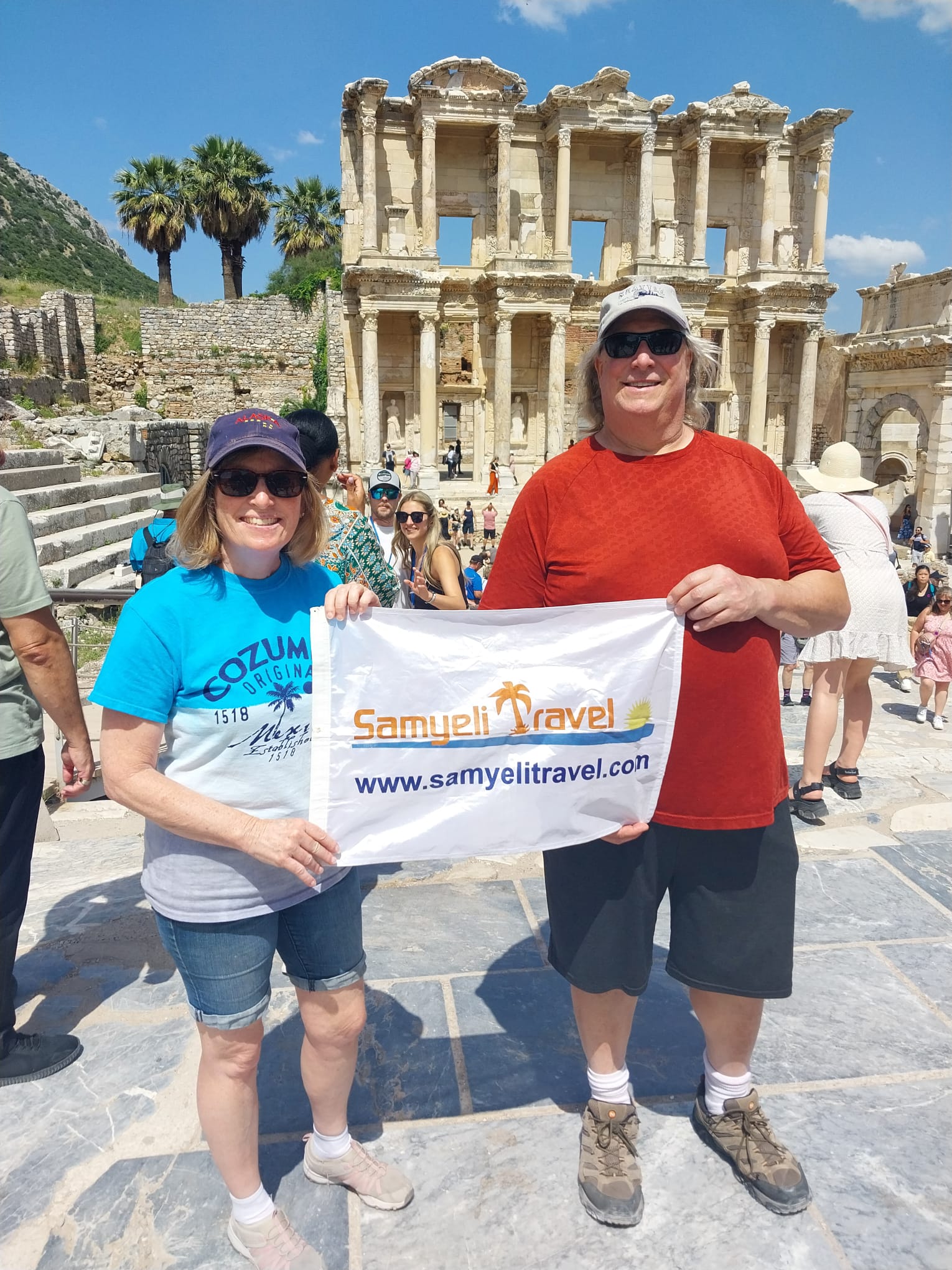
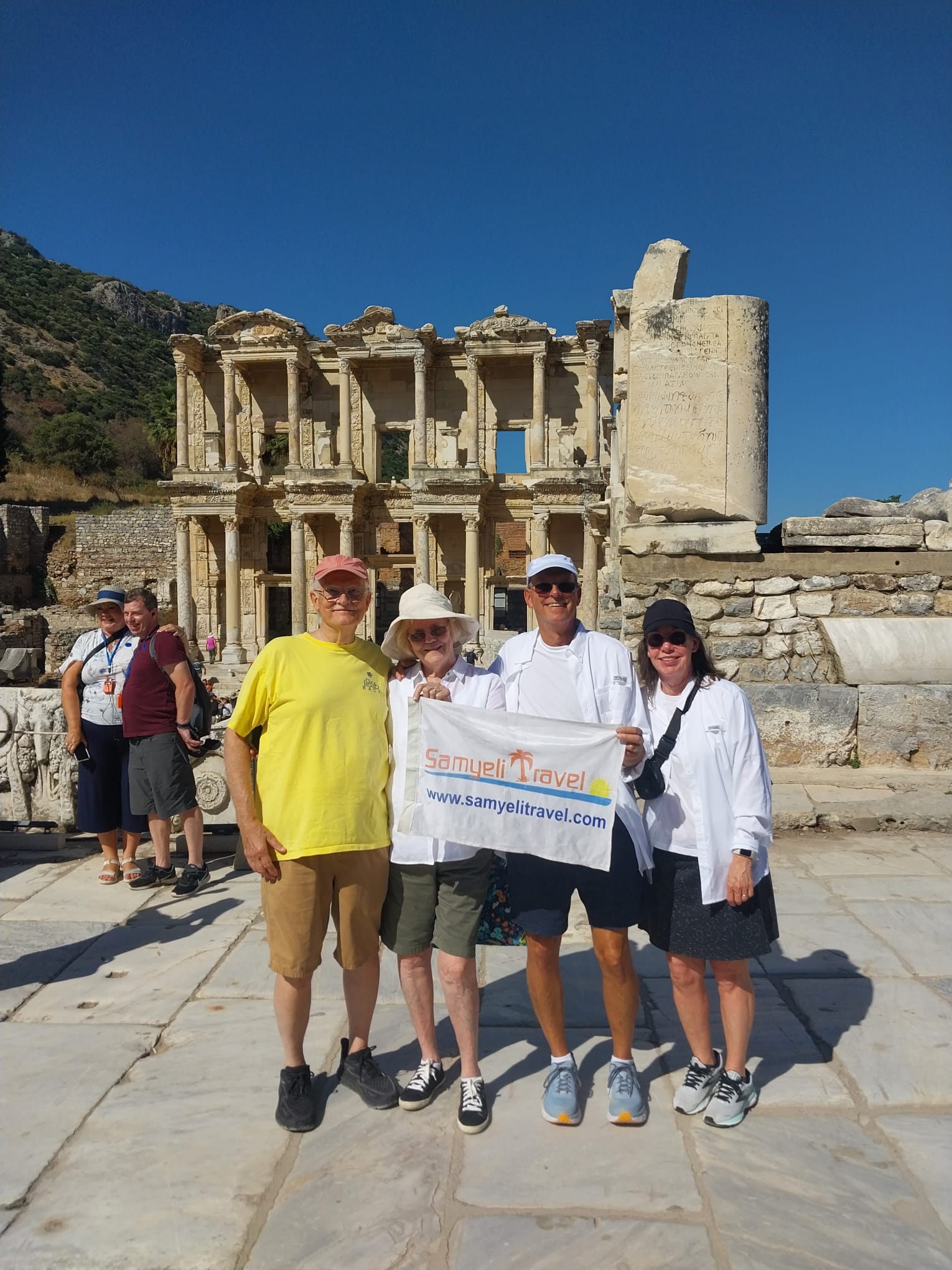
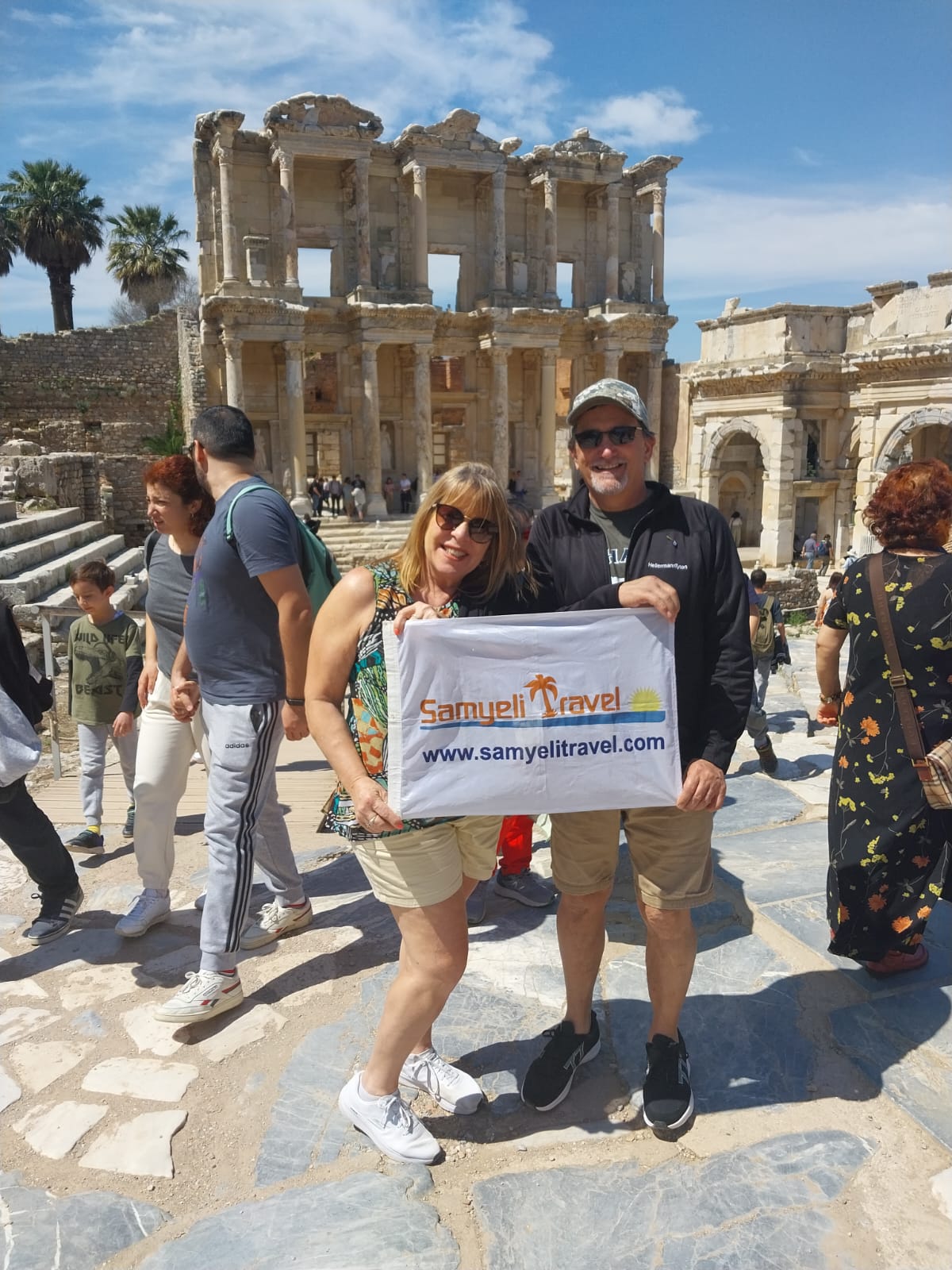
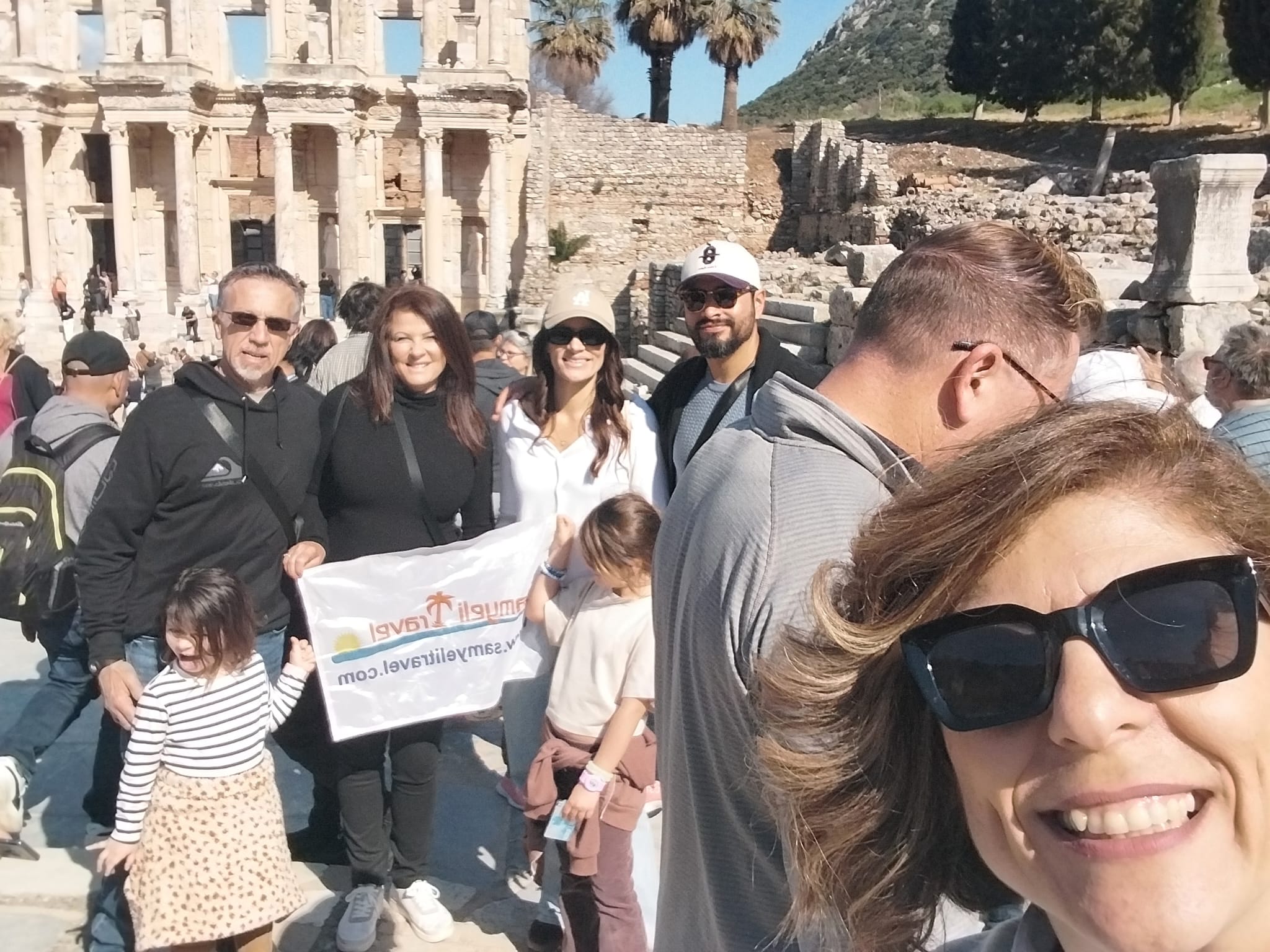
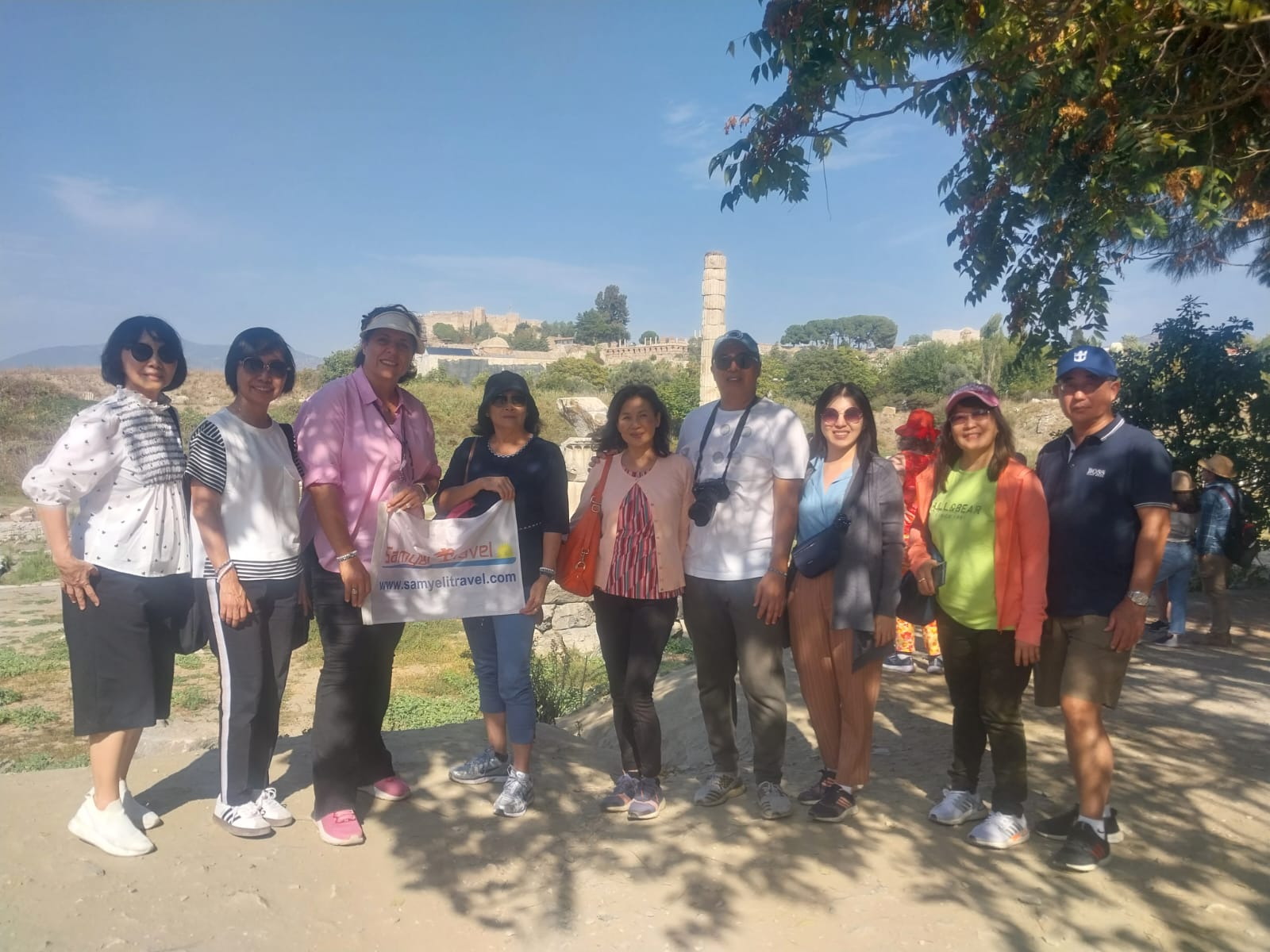
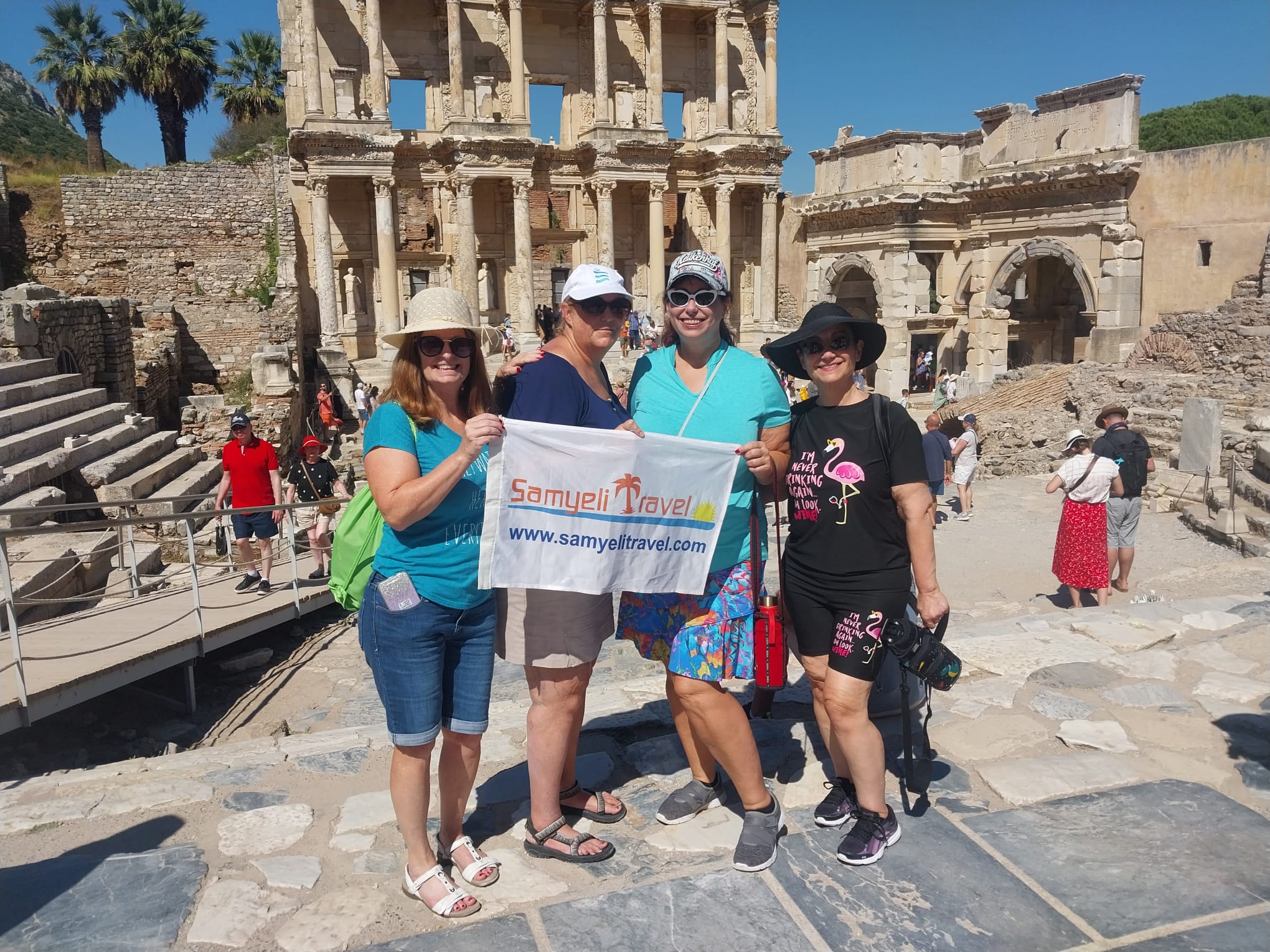
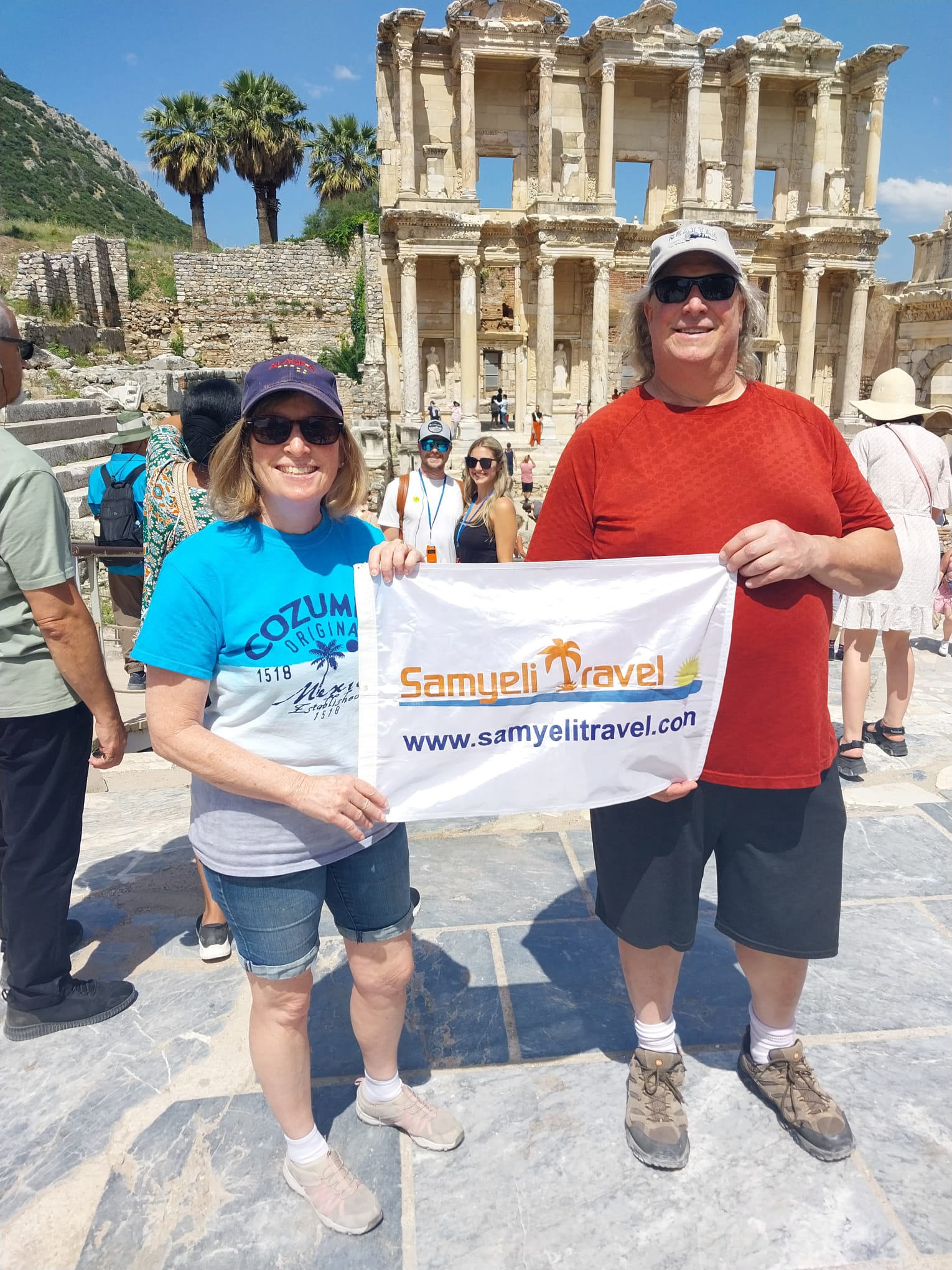
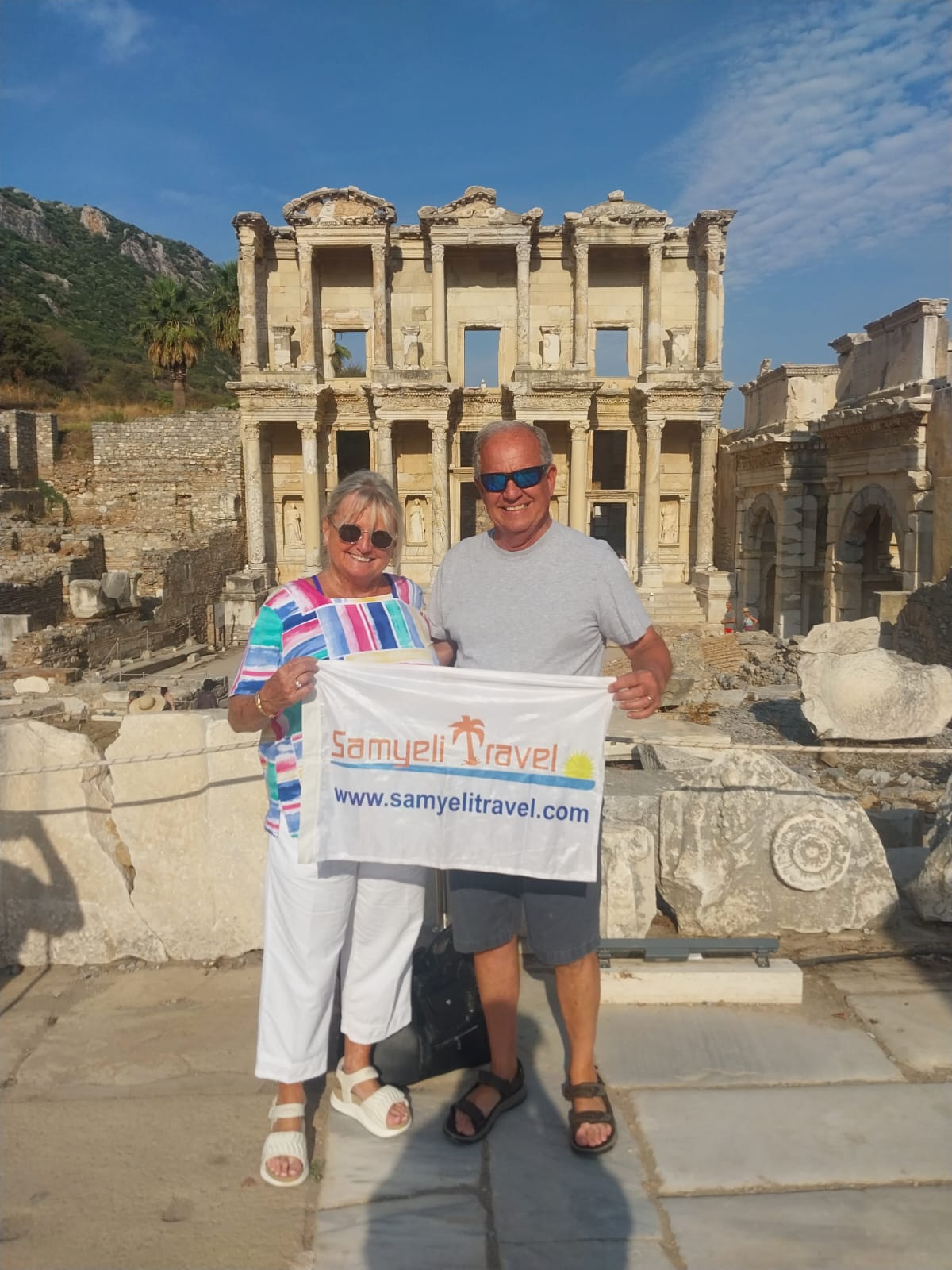
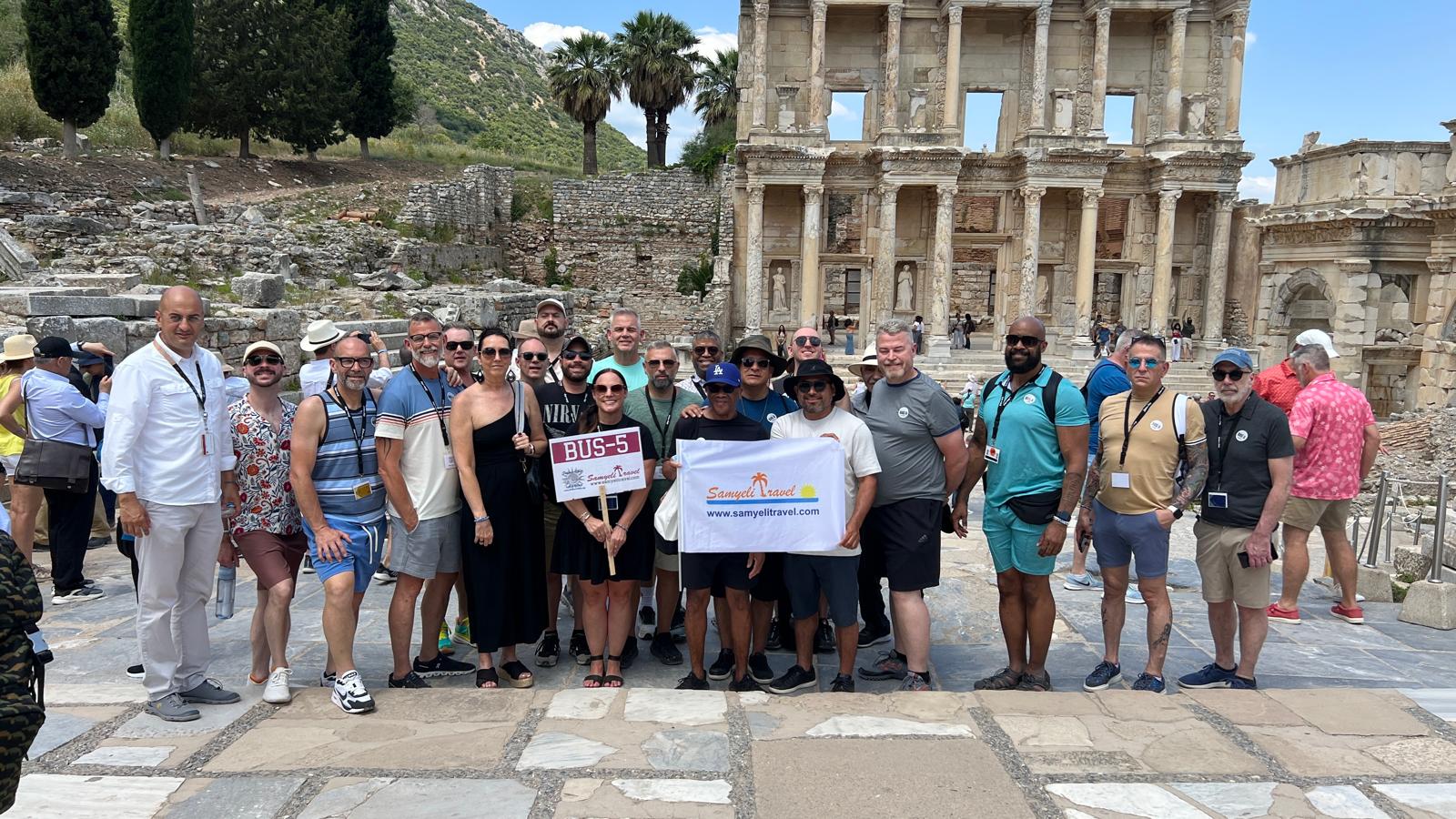
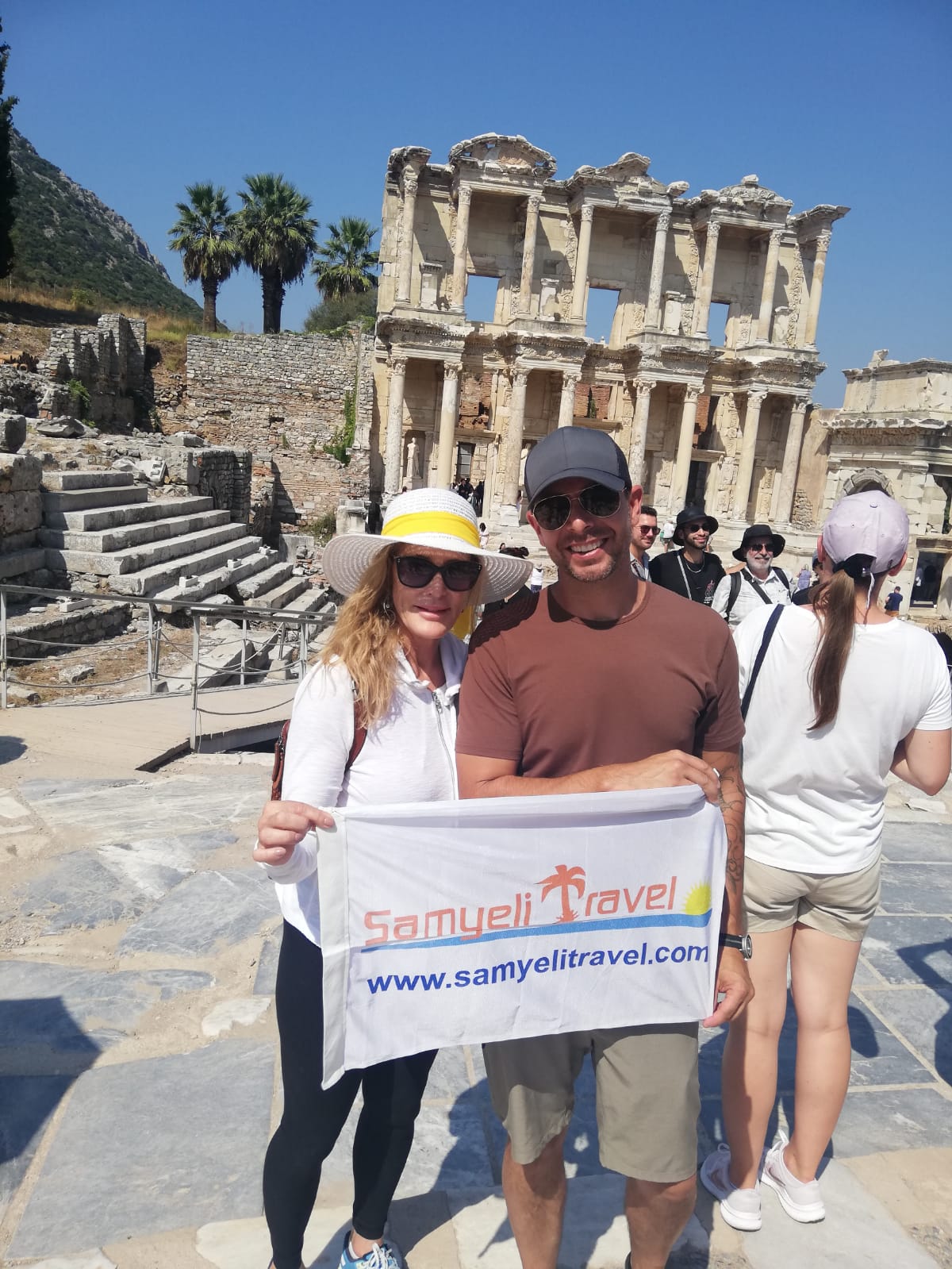
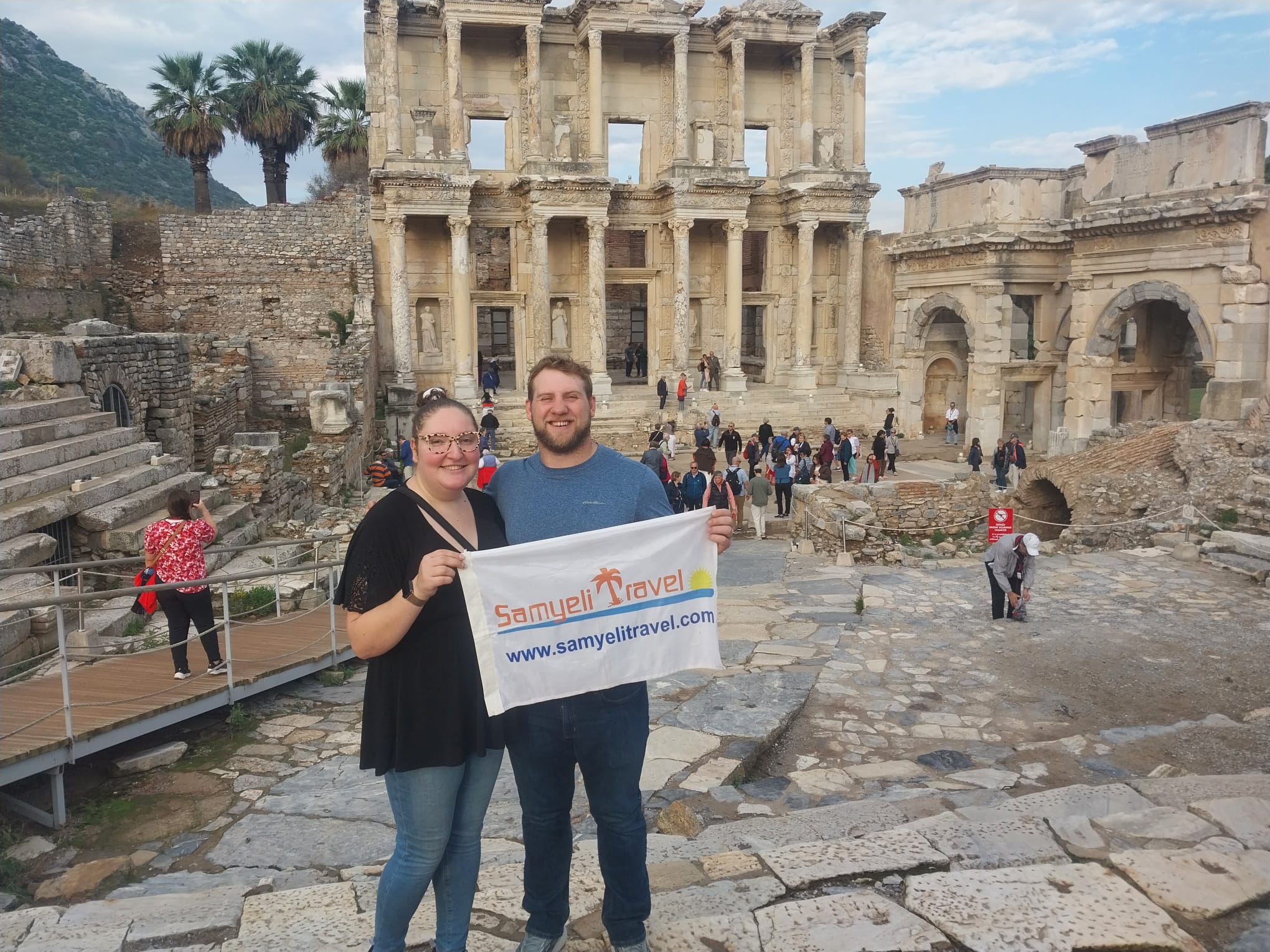
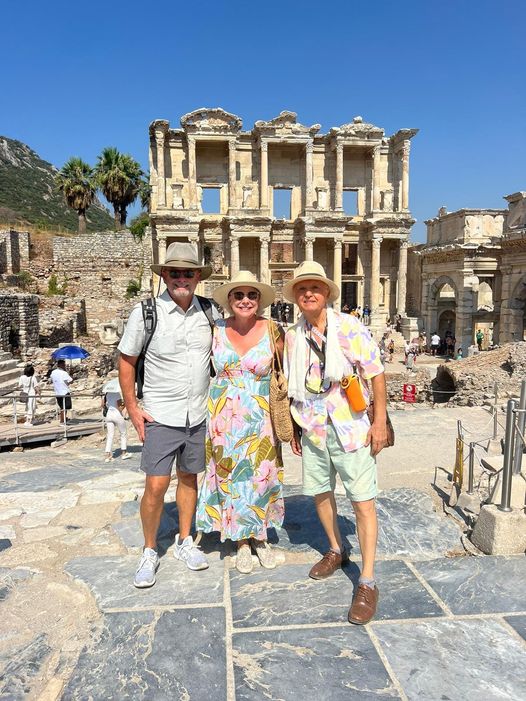
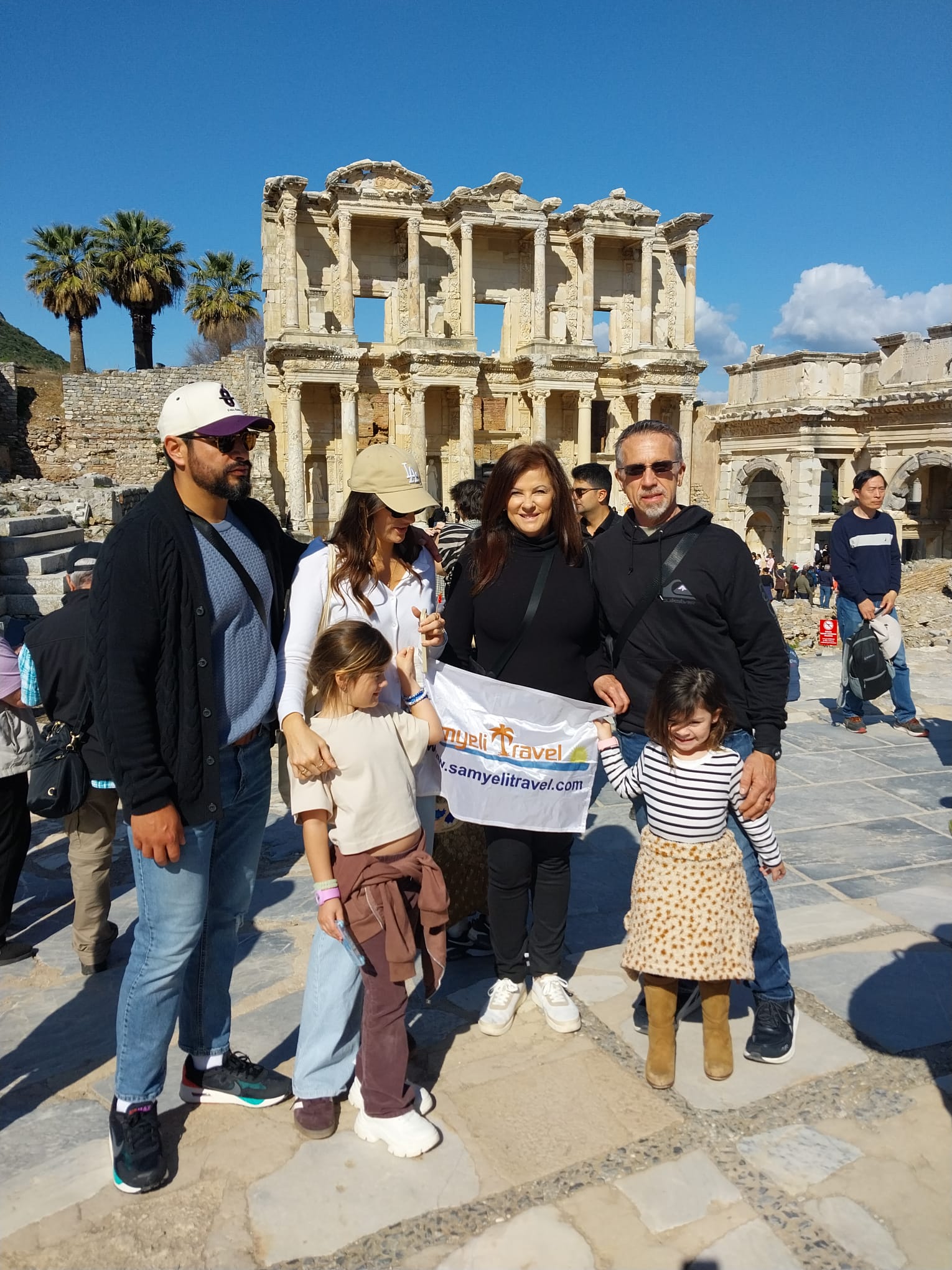
- Ephesus Museum: Private Ephesus Tours from Port Kusadasi with lunch +english speaking guide +bus + Temple Of Artemis + shopping + Caravanserai Öküz Mehmet Paşa Caravanserai You will be met by your private guide at Kusadasi cruise Port . Drive to Ephesus is one of the best well-kept Greco- Roman ancient cities in the world, famous with Odeon which is known as concert hall and council of the city; Domitian Temple which is one of the first temples in the age dedicated for a human; Celcius Library which was the third biggest library in the ancient world; Amphitheatre where is one of the biggest amphitheatres in the world with 24.000 people capacity and where St. Paul preached; Roman Baths ; Fountains; Temples; Agora; Love House; Public Toilets; Terrace Houses which were the houses for rich people in Ephesus during Roman age famed with mosaics and frescos. After Ephesus we visite. 3 hours • Admission Ticket Not Included
- Kusadasi Shopping Center:
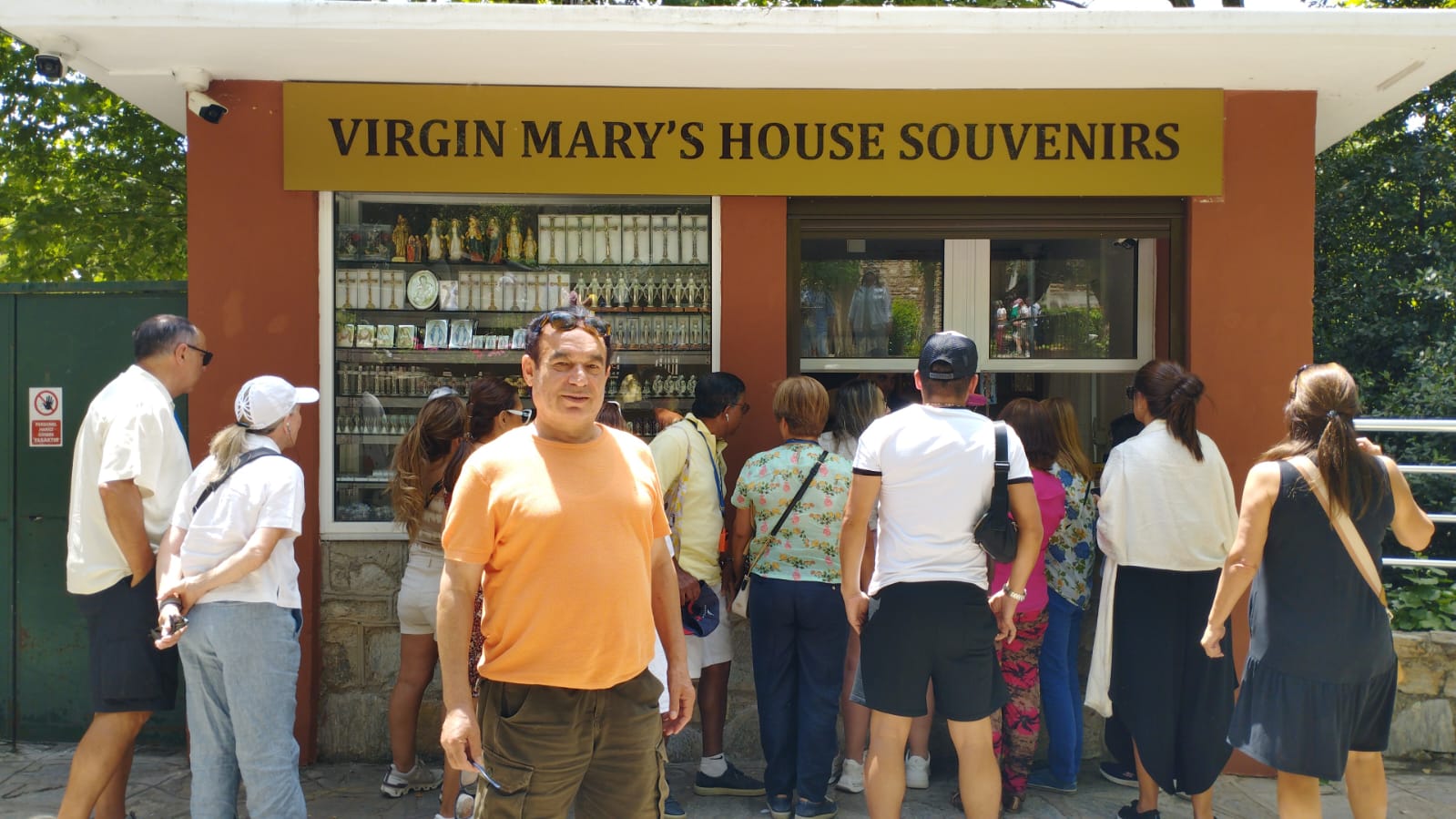
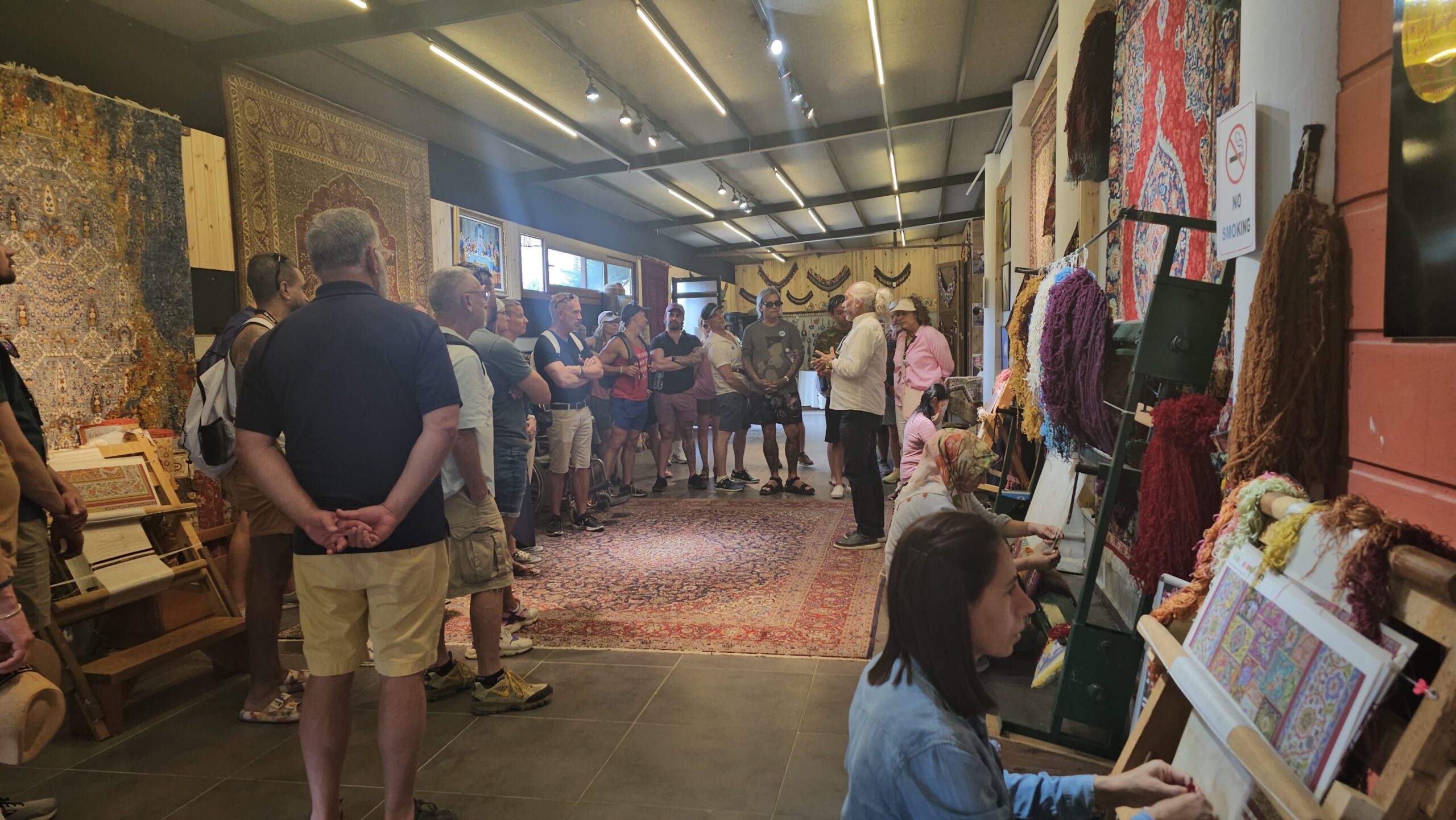
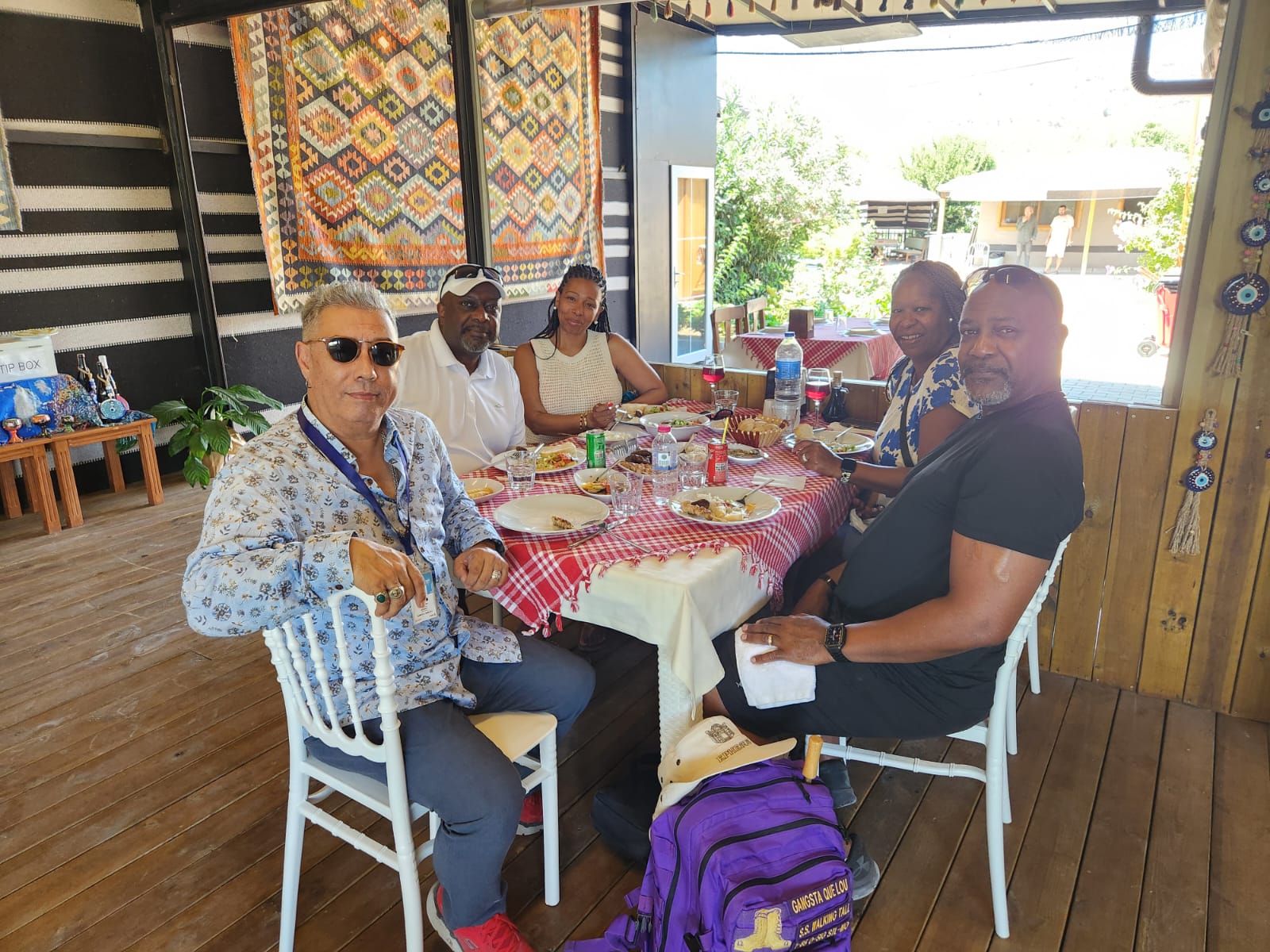
Ephesus is one of the best places in Turkey if you are interested in cultural shopping. Here is countryside and famed with factories of handicrafts which are supported by Turkish Government and work as schools too. That’s why, the prices are more reasonable and more selections in the factories. If you are not interested in shopping, but only to see how the handcrafts are made, please do not worry. There is no obligation to buy something from factories, but you will have big chance to see how they are made. This is the only way to learn how the local crafts are made by the local people and to see part of this cultural art. What kind of factories? Rug, Ceramic and Leather Jacket / Bags. No obligation / pressure to buy something, jus try to enjoy that lovely experience of Turkish Culture and bargaining. After we visite. 1 hour • Admission Ticket Included
Caravanserai Artemis: A Historic Resting Place on the Ancient Trade Routes
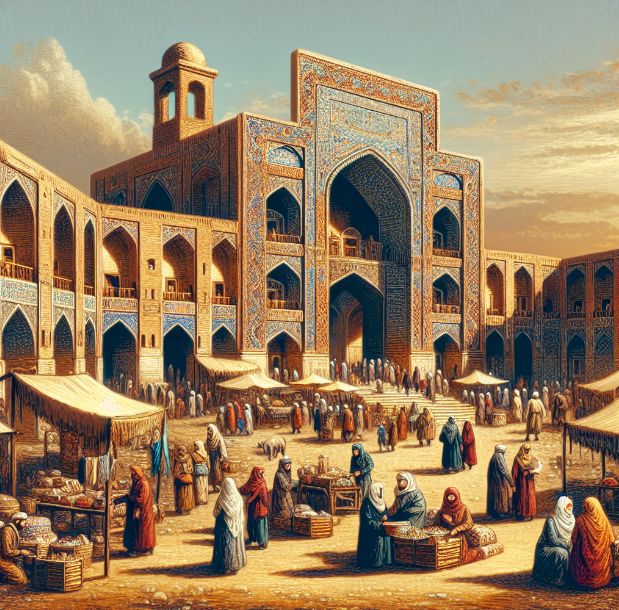
Caravanserai Artemis stands as a remarkable testament to the rich history and vibrant culture that once thrived along the ancient trade routes of Anatolia. These caravanserais, often strategically located along the Silk Road and other major trade networks, provided vital rest stops for travelers and merchants journeying across vast distances. The Caravanserai Artemis, in particular, is celebrated for its unique architecture, historical significance, and its role as a cultural melting pot in the region.
The Role of Caravanserais in Ancient Trade
Before delving into the specifics of Caravanserai Artemis, it’s essential to understand the broader context of caravanserais in the ancient world. These structures were more than just inns; they were vital hubs where merchants could rest, exchange goods, and interact with people from various cultures and backgrounds. Caravanserais were often fortified to protect travelers and their wares from bandits, and they provided all necessary amenities, including stables for animals, storage for goods, and communal spaces for socializing and conducting business.
Location and Historical Background
Caravanserai Artemis is located in a region that was once a bustling crossroads of trade routes connecting the East and West. Positioned strategically along these routes, the caravanserai served as a critical stopping point for merchants traveling between Europe and Asia. The exact date of its construction is debated among historians, but it is generally believed to have been built during the Seljuk period, which spanned from the 11th to 13th centuries.
During this time, the Seljuks, who were known for their architectural prowess, constructed numerous caravanserais throughout Anatolia to facilitate trade and ensure the safety of merchants. Caravanserai Artemis was one of the most prominent of these structures, offering shelter and security to countless travelers over the centuries.
Architectural Features
The architecture of Caravanserai Artemis reflects the Seljuk style, characterized by intricate stonework, robust construction, and functional design. The caravanserai typically consists of a large central courtyard surrounded by thick walls, with rooms arranged around the perimeter for travelers and their animals. The entrance to the caravanserai is usually marked by a grand, ornate gateway, symbolizing the importance of the structure as a haven for those on long and arduous journeys.
One of the most striking features of Caravanserai Artemis is its decorative elements. The stone carvings and inscriptions found on the walls and arches are not only beautiful but also provide valuable insights into the cultural and religious influences of the time. These artistic details often include geometric patterns, calligraphy, and floral motifs, reflecting the Islamic art traditions of the Seljuk period.
Cultural and Economic Significance
Caravanserai Artemis was more than just a resting place; it was a vibrant center of commerce and cultural exchange. Merchants from diverse regions, including Persia, Central Asia, and the Mediterranean, would converge at the caravanserai, bringing with them not only goods but also ideas, languages, and traditions. This exchange contributed to the rich cultural tapestry of the region, fostering a sense of unity among the different peoples who passed through its gates.
The economic significance of Caravanserai Artemis cannot be overstated. It played a crucial role in the flow of goods along the trade routes, facilitating the exchange of everything from silk and spices to precious metals and textiles. The caravanserai helped sustain the local economy by providing jobs and opportunities for artisans, traders, and laborers who worked within and around its walls.
Preservation and Legacy
Today, Caravanserai Artemis stands as a historical monument, attracting visitors from around the world who are eager to explore its ancient halls and learn about its storied past. Preservation efforts have been undertaken to maintain the structure and protect it from the ravages of time. These efforts ensure that future generations can continue to appreciate the significance of this historic site.
The legacy of Caravanserai Artemis lives on not only in its physical form but also in the cultural memory of the region. It serves as a reminder of a time when the world was connected by vast networks of trade and communication, and when places like Caravanserai Artemis were vital to the exchange of goods, ideas, and cultures.
Caravanserai Artemis is a symbol of the rich history and cultural diversity that once flourished along the ancient trade routes of Anatolia. Its architectural beauty, historical significance, and role as a center of commerce and cultural exchange make it a fascinating destination for history enthusiasts and travelers alike. As we continue to preserve and study this remarkable site, Caravanserai Artemis will remain a testament to the enduring legacy of the ancient world.





5 thoughts on “Ephesus Tours Port Kusadasi lunch guide bus shopping Caravanserai Artemis”
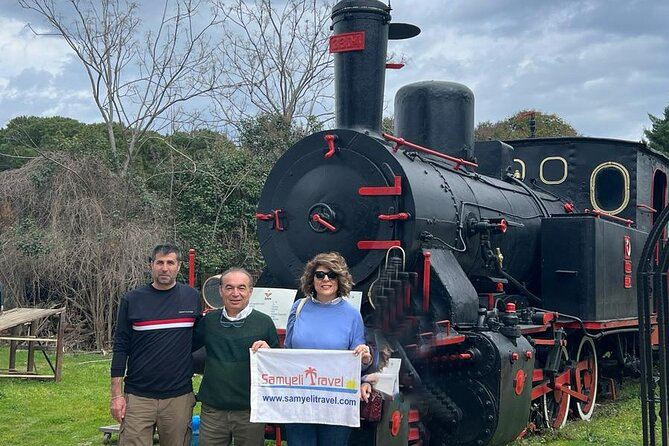
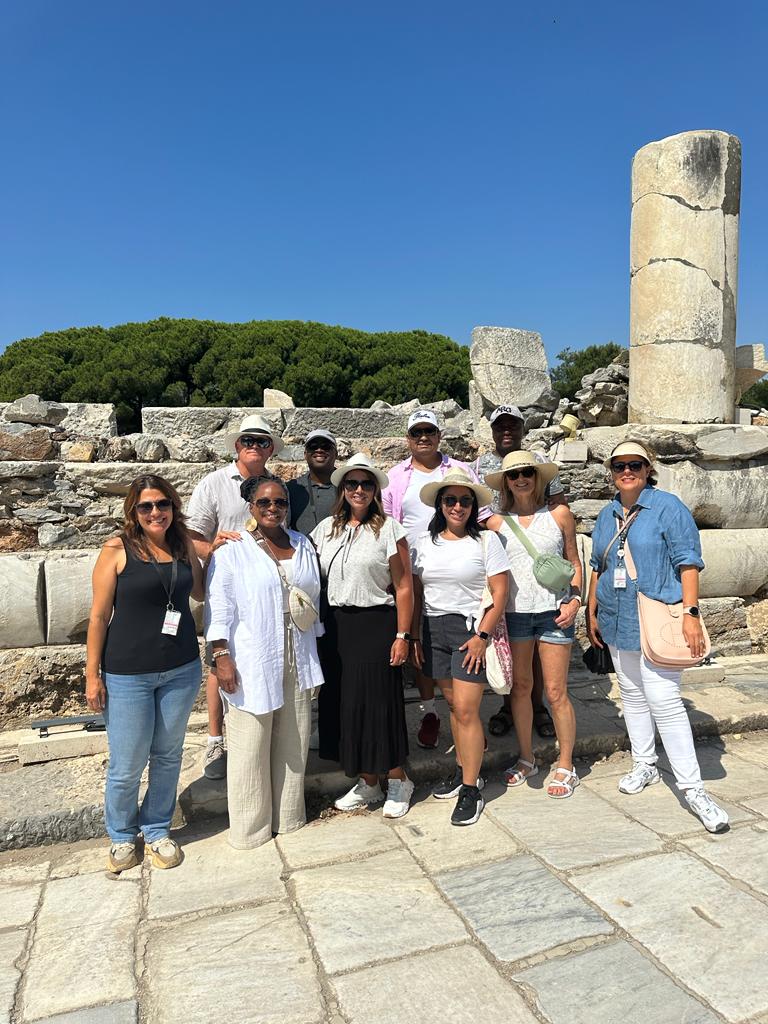
We made a reservation for 2 people on the Ephesus tour, then we met 6 people on the ship and they wanted to come with us on the Ephesus Tour, our agency samyeli immediately changed the vehicle and helped us.
We choosed and joined the tour which calls “Ephesus Tours Port Kusadasi lunch guide bus shopping Caravanserai artemis”. The guide can perfect English and Spanish. Also, she know Artemis and Greece mythology, history very well. Thank you super guide.
So do I Mr. Alexandro D. H. You are right. We liked also this Ephesus Tour from Kusadasi. It was really great. Thank you Ephesus Tour and Samyeli Travel.
Don’t forget to book before your tour. If you make a booking from any online platform like Tripadvisor, Viator, Booking etc., call or write an email to the agency, I think. We made a booking from an online booking platform. It was not the official web site of Ephesus Tours or SamyeliTravel. Everything looks very well. We went to Izmir but they could not see our payment and booking. There was no quota. Say us, what should we do?
Thank you, Mr. Salman, helped us. He found a quota and organized a tour for us.
It was amazing. We enjoyed it very much. Thank you…