

- Active


- Active

- Active

- Active

- Active

- Active
- Active
- Active
- Active
Ephesus Tours from Kusadası and Izmir
Ephesus tours are special and private. They are the best tours of Turkey. Many tours are organized for Ephesus.
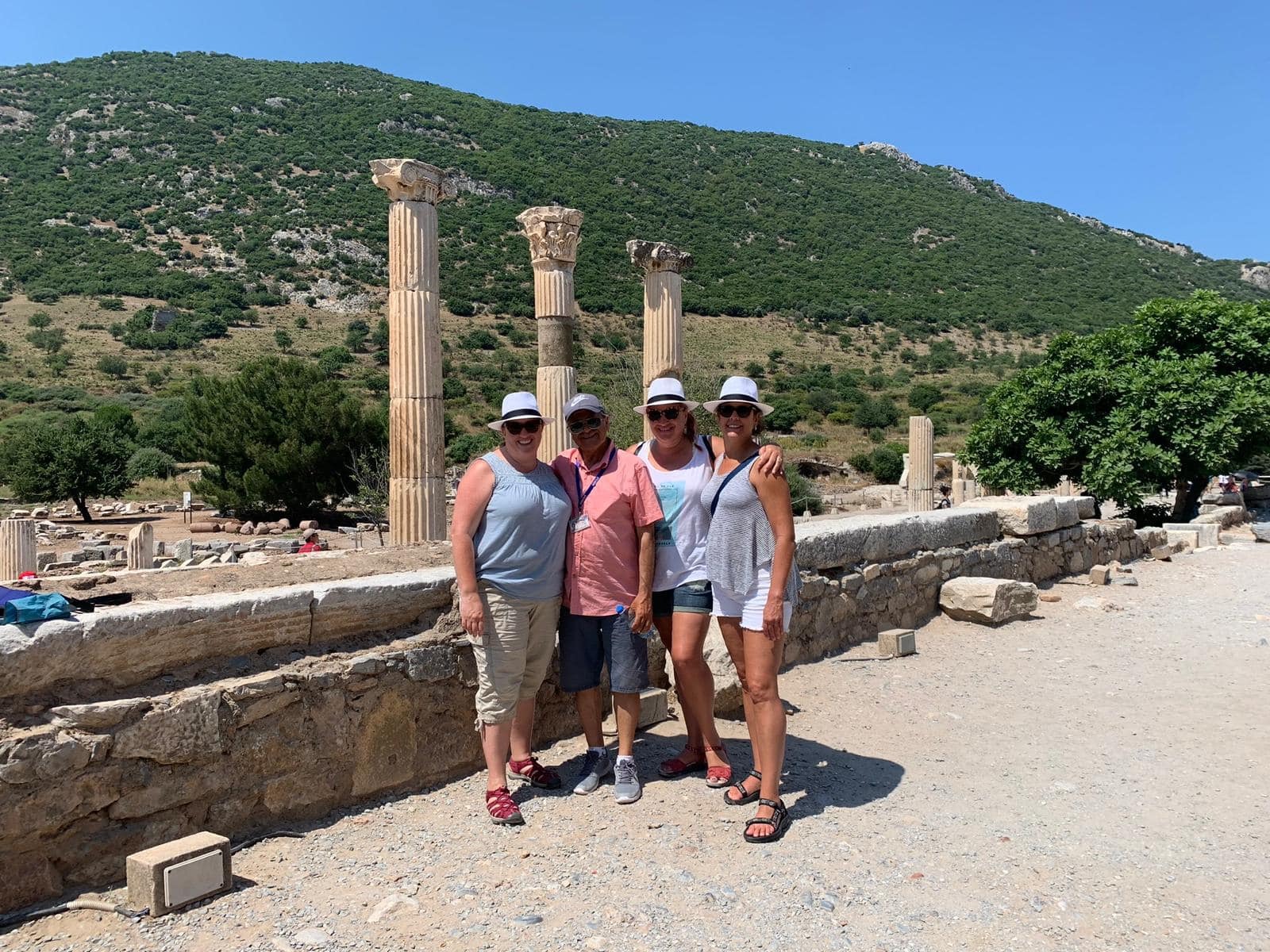
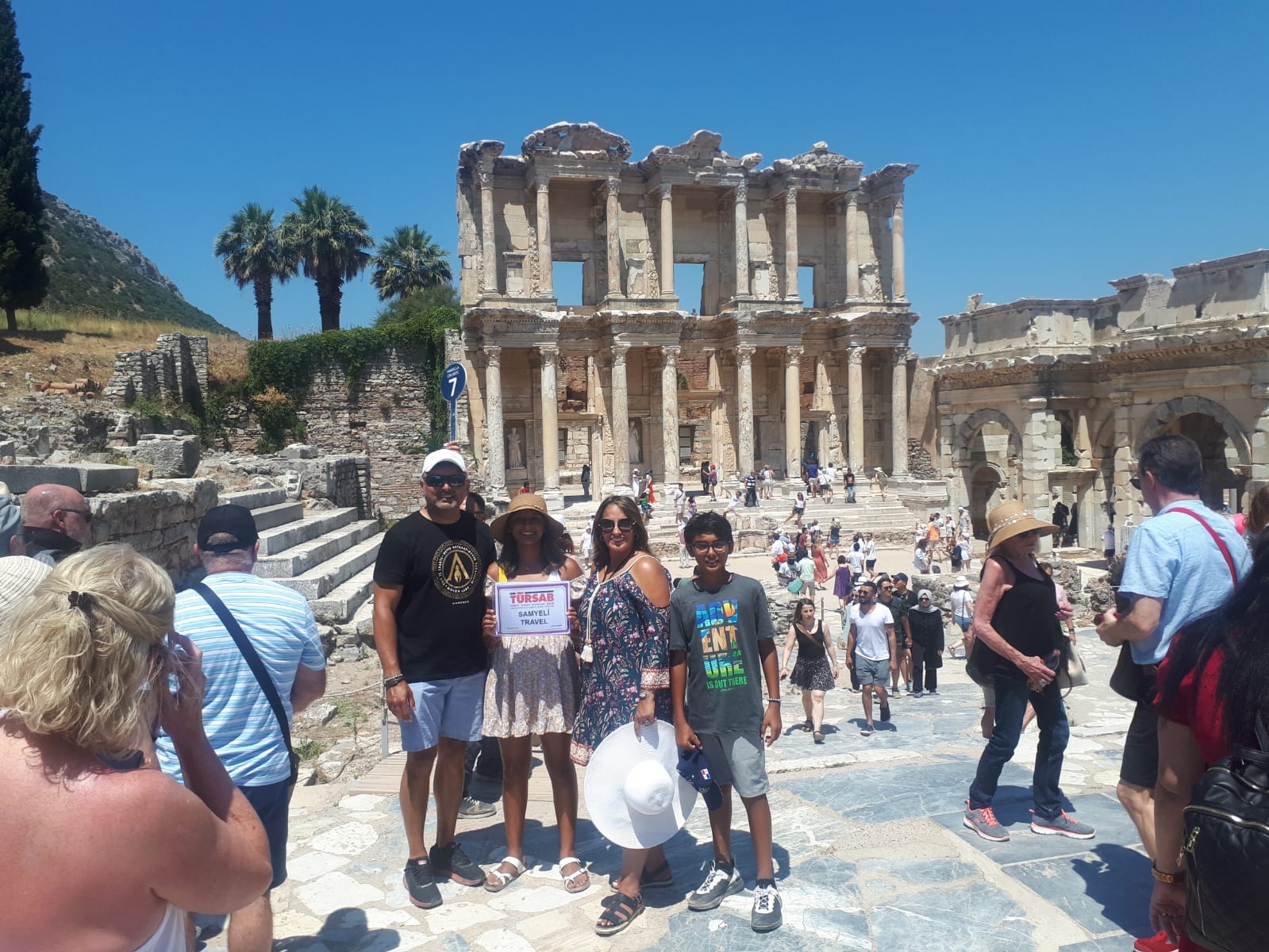
Ephesus is the most popular touristic place in Turkey. Many people know this place as Artemis Ephesus. Ephesus Ruins are located in Izmir today. We know this place as an ancient city in Turkey. A lot of tourists travel to Ephesus and visit Izmir for Ephesus shore excursions. When you visit this ancient city, you can find many historical examples from classical Greece to Roma Empires.
The most people of Ephesus:
- Gaius.
- Dictator Sulla.
- Lysimachus.
- Celcus Polemaeanus.
- Tiberius Julius Aquila.
- Alexandre the Great.
History of Ephesus
Ancient writers largely agree that Ephesus was founded sometime between 1500 and 1000 B.C, and this is supported by archaeological evidence at the site. Later, it appears that lonians settled in the cities of lonia. According to legend, under the leadership of Androklos, son of Kodros, the migrants arrived in Anatolia, and asked their sages where their new city should be established. > More details
Ephesus in Turkish
In English, it calls as Ephesus. But Ephesus Turkish is “Efes, Efes Antik Kenti”.
Travel to Ephesus and Unique Ephesus Tours
There are many Ephesus tours from Kusadasi or from Izmir. You can find many unique Ephesus tours in Turkey. If you want to a private tour guide in Ephesus, you can choose to Ephesus guided tour. Every private Ephesus tour agency has many Ephesus guides for Ephesus Trip.
The Type of Ephesus Tours
- Ephesus Daily Tours,
- Half Day Tours,
- Shore Excursions,
- Private Ephesus Tours,
- Ephesus Guided Tours,
- VIP Ephesus Tours,
- Ephesus Sightseeing Tours,
- Biblical Ephesus Tours,
- Cruise Ship Ephesus Tours,
- Ephesus Port Tours,
- Shopping Tours,
Kusadasi Ephesus Tours
We provide you with private Ephesus tours from Kusadasi. We are one of the best Ephesus tours in Turkey Ephesus tours. Kusadasi is really developed and most popular. There are many big and special shopping places. We and many tour agencies provide shopping tours in Kusadasi. It is also possible to use the Ephesus tour with shopping tours. Because this is a part of Ephesus excursion. When you join our Ephesus tours from Kusadasi, Our Ephesus tour guide will help you during the tour. All our tours are guided tours in Ephesus.
Izmir Ephesus Tours
We provide also Ephesus VIP tours from Izmir. If you want to choose cheap Ephesus tours, you can join Izmir tours. We have some Ephesus tour packages. You can check them and choose which you want.
There is also an option for a tour. You can choose a tour package for Ephesus from Cruise or port. Izmir Ephesus tours are cheap. Many people choose Izmir Ephesus tours. If you visit Izmir, we suggest you join our tours from Izmir.
Excursions for Carnival Cruise
What kind of excursions are there, let’s list them.
- Norwegian Joy Shore Excursions,
- Cruising Excursions,
- Carnival Dream Cruise Excursions,
- Cruise Shore Excursion.
Prosess of the tours from Kusadasi and Izmir
- Booking: You can make a booking as online on our official website or Viator. We provide two options.
- Reserve & Pay Later: We accept your booking without paying. After booking, we contact you for payment.
- Pay & Book Now: Directly you can start your booking and pay with credit card, money transfer. We provide you payment options on our official website and Viator. You can pay the tour cost both of the websites.
- Start: We meet you on meeting time at the pickup place. We have many luxury and modern vehicles. We transfer you to Ephesus with these vehicles.
- Touring: Generally, lunch is included to tours. But also it can be changed according to some tours. Because of this we suggest you to check everything and concept of the tours. Our guide helps you and tells you Ephesus, its history and everything during the tour.
- Ending and Turn Back: End of the tour we transfer you again to Kusadasi or Izmir.
Please, don’t forget to review us on our official website and Viator.
Some Guests Asked
Where is Ephesus, what is the address there?
It is located in Izmir and address of Ephesus: Selçuk, İzmir Province, Turkey.
After booking, can I cancel the tour?
Yes, of course. After tour booking, you can cancel it in 14 days.
To where can I write a review?
- Our Tripadvisor Page,
- Viator Pruducts Pages,
- Official Website.
Also, you can send us directly your reviews per contact form.